


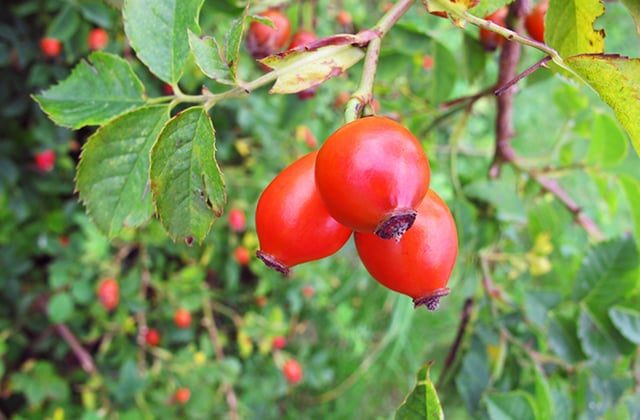
The gathering of rose hips represents an interesting example of human adaptation to the natural environment – a form of human–nature interaction shaped over thousands of years. This long-standing relationship is reflected in the diverse folk names for rosehips (e.g., wild rose, false rose, thorn rose, dog rose, bear rose hip) and the traditional dishes prepared from them (e.g., soups called masramatsun, masratan, masrattu, masuri spas, etc.), which encapsulate layers of ancient cultural realities (in Armenian, the word for rose hips is masur, and part of the word masra – commonly used in traditional dish names – derives from masur, signifying that the food is made from rose hips). Thanks to centuries old accumulated knowledge, the rosehip has long been regarded as a medicinal plant and has been widely utilized in folk medicine for the treatment of various ailments. Within traditional culinary systems, dishes prepared from rose hip fruits have also been considered an integral component of dietetics. As both a thorny shrub, and a healing plant, thе rose hip holds a symbolic role in folk beliefs, where it is thought to ward off evil spirits and protect against disease. During the 20th century, traditional food systems underwent gradual transformation, leading to a range of nutritional and health-related challenges. Consequently, traditional dietary practices, folk medicine, and particularly nutrition therapy are being re-evaluated and increasingly appreciated for their potential contributions to health and well-being. In this context, the use of wild plants, and especially that of rose hip, offers a valuable source of nutritious, vitamin-rich, and environmentally sustainable food products. Both traditional and contemporary applications of rosehip in culinary practices and folk medicine hold significant practical relevance today.
Anzhela Amirkhanyan
Institute of Archaeology and Ethnography, National Academy of Sciences, Armenia
https://shorturl.at/sPiW1 , p. 246-262