Dilijan 2 (1)

Call for International Crafts Festival in Dilijan, Armenia

Dilijan 2 (1)

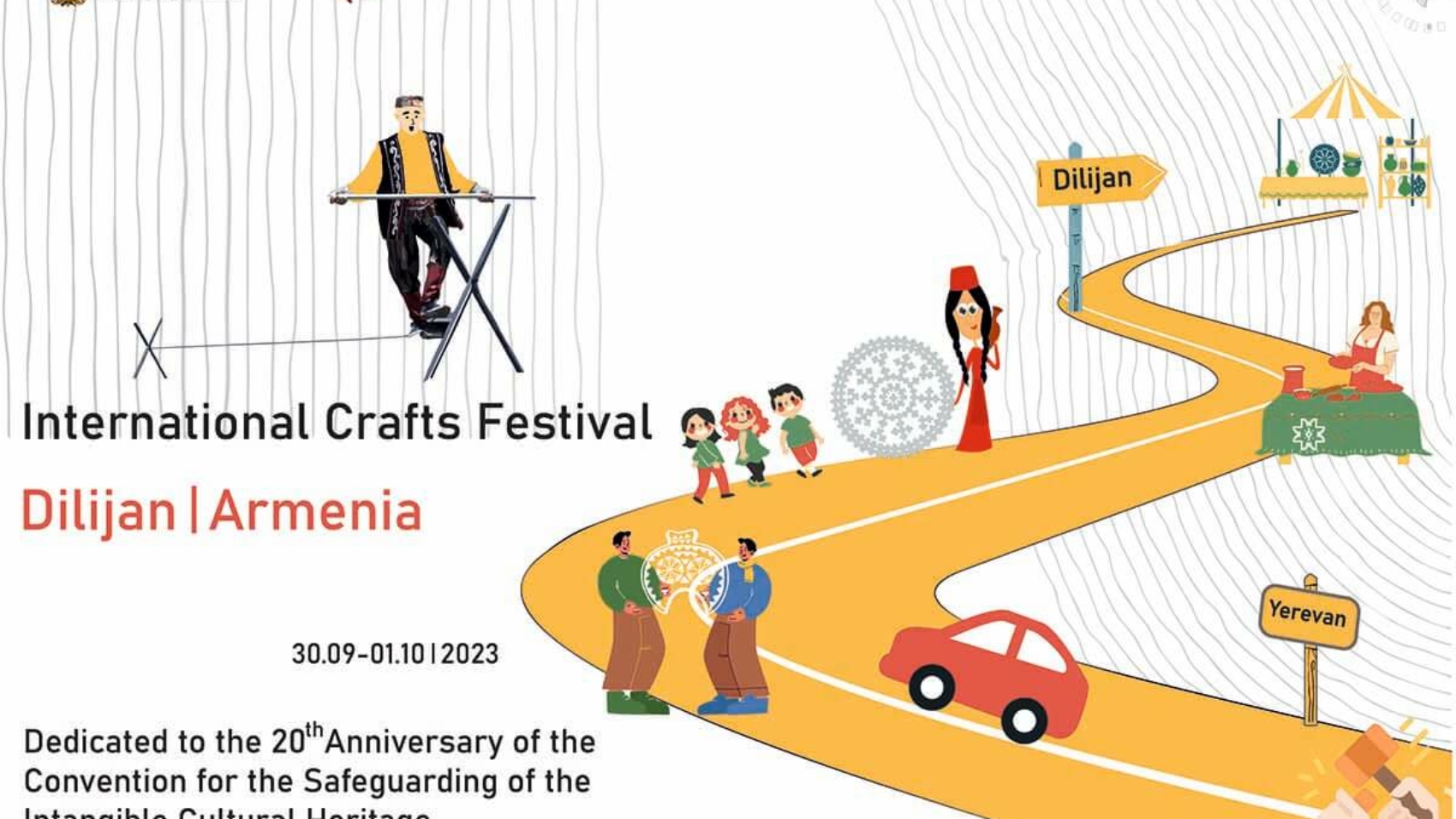
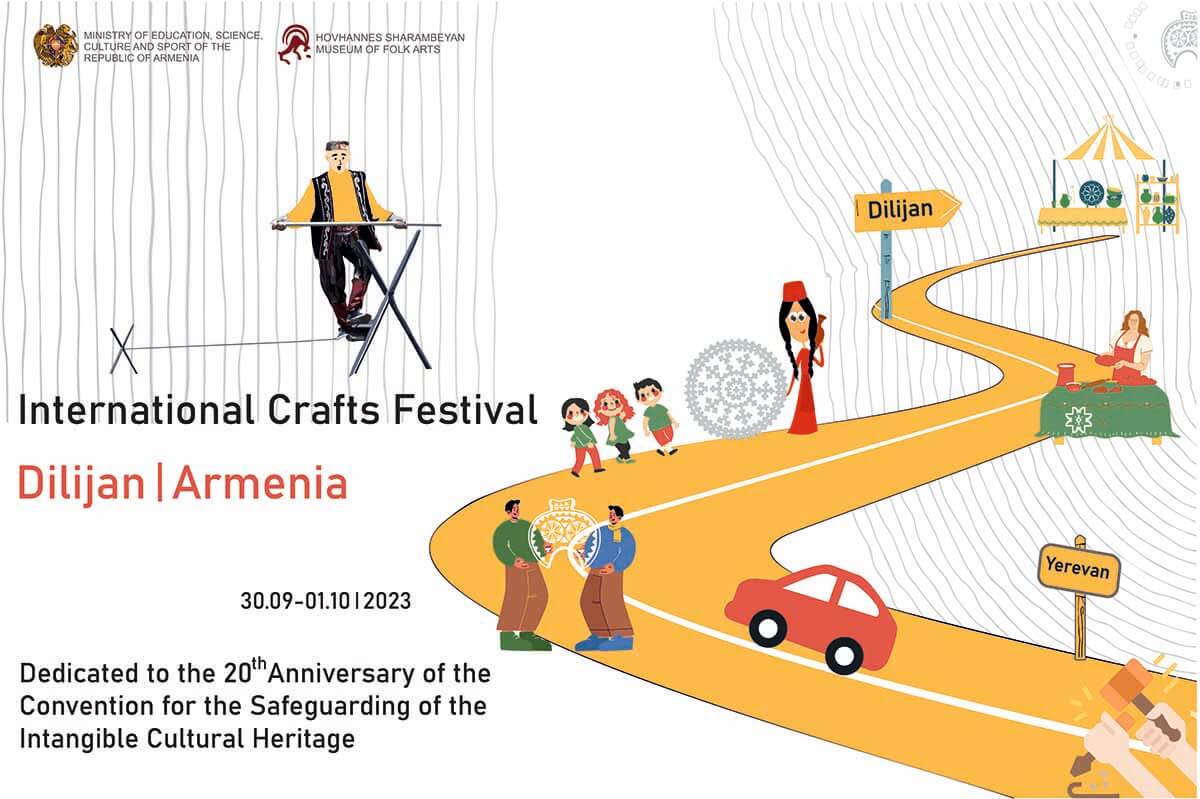
The Ministry of Education, Science, Culture and Sport of the Republic of Armenia and Hovhannes Sharambeyan Museum of Folk Arts organize the International Crafts Festival, which is scheduled to be held in Dilijan, Armenia from September 30 to October 1, 2023, dedicated to the 20th anniversary of the UNESCO Convention.

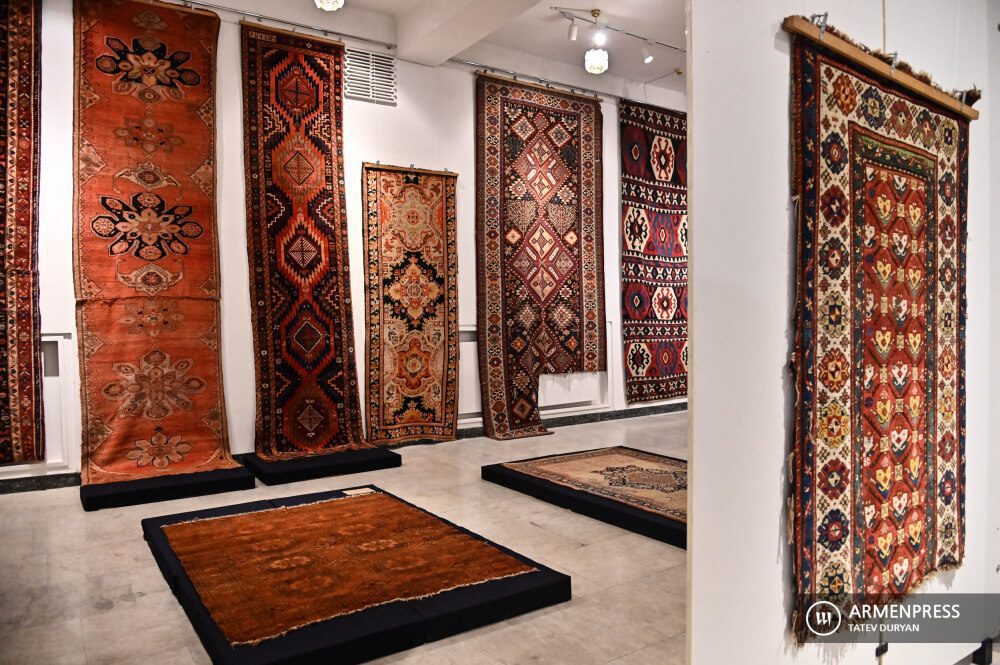
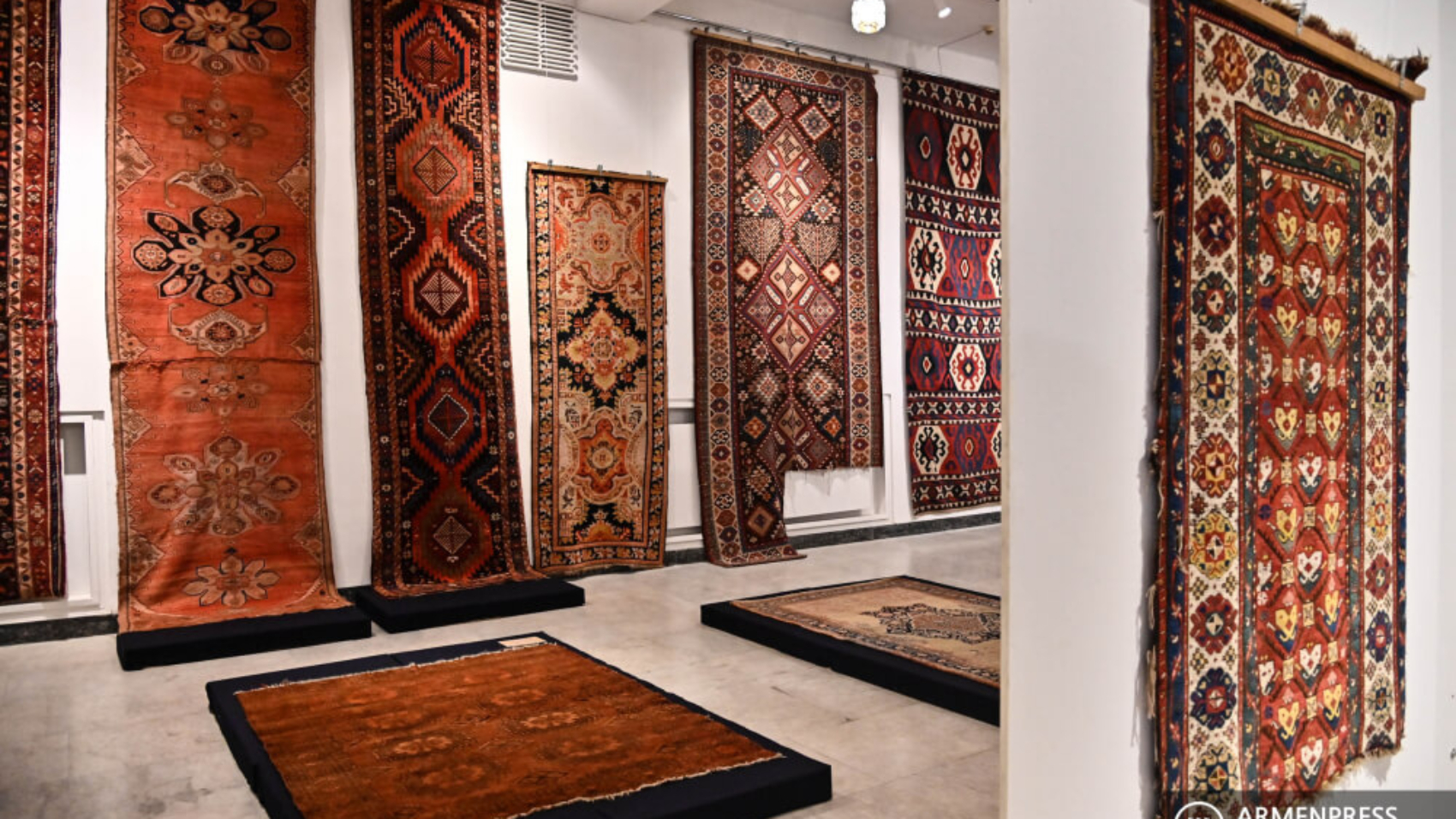
Masters of folk art from different countries of the world are invited to participate in the festival, present their works in Dilijan and conduct master classes. On September 30 and on October 1 Dilijan will become a center of crafts, national songs and dances, fairy tales, folk tales, delicious dishes, and unforgettable impressions. In the pavilions located in several zones, local residents and tourists will be able to be acquainted with the rich variety of national crafts of Armenia and the invited countries and take part in master classes.

Organizers cover the travel expenses, the costs of accommodation, food, pavilion rental, and internal transfer for 10 invited participants from different countries.
Due to geographical and financial factors, priority is given to masters from the following countries: the Islamic Republic of Iran, Georgia, Greece, Cyprus, Bulgaria, Romania, Serbia, Latvia, Lithuania, and Estonia.

The purpose of the festival is the foundation of new platforms for establishing creative connections between interested structures and organizations, communities, as well as individuals to exchange experience, and to form an intercultural dialogue within the framework of safeguarding the intangible cultural heritage.
The contact person for the International Crafts Festival is the director of the Hovhannes Sharambeyan Museum of Folk Arts-Lusine Toroyan (tel. +374 91 721 207, e-mail –[email protected], [email protected]).

ՀՈԴՎԱԾՆԵՐԻ ՆԿԱՐ

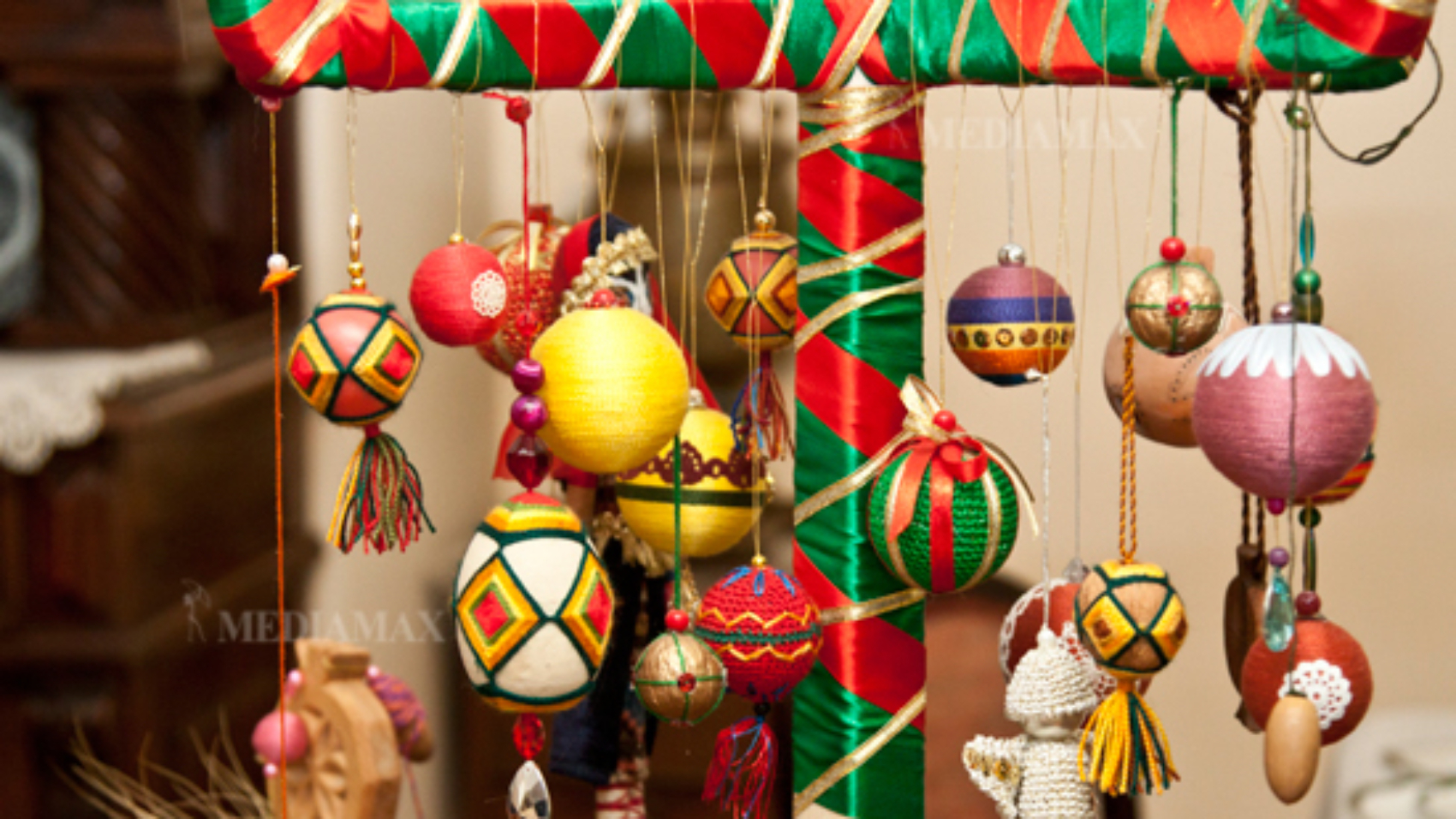
“Easter, Holy Resurrection Day, Holy Easter”

ՀՈԴՎԱԾՆԵՐԻ ՆԿԱՐ

Folk and church holiday
It is distributed in all 10 regions of the Republic of Armenia and the capital Yerevan.
Easter is a movable holiday and is celebrated on the spring equinox, the Sunday following the full moon following March 22, that is, the Sunday that falls within 35 days after March 22.

In traditional culture, Easter was perceived as the spring “resurrection” of nature following the “death” of winter, a holiday symbolizing the annual beginning of life and the confirmation of the continuity of life. The Christian calendar adapted the holiday of the Resurrection of Christ to that holiday of the resurrection of nature. The festival is a folk and Christian official Resurrection holiday, a set of folk and church rites and ceremonies.

All the days of the week before Easter were festive, and Saturday was symbolized by the Armenian folklore “red-green” formula of renewed life: “Easter Saturday, red egg, sun, mountains and valleys are green.”
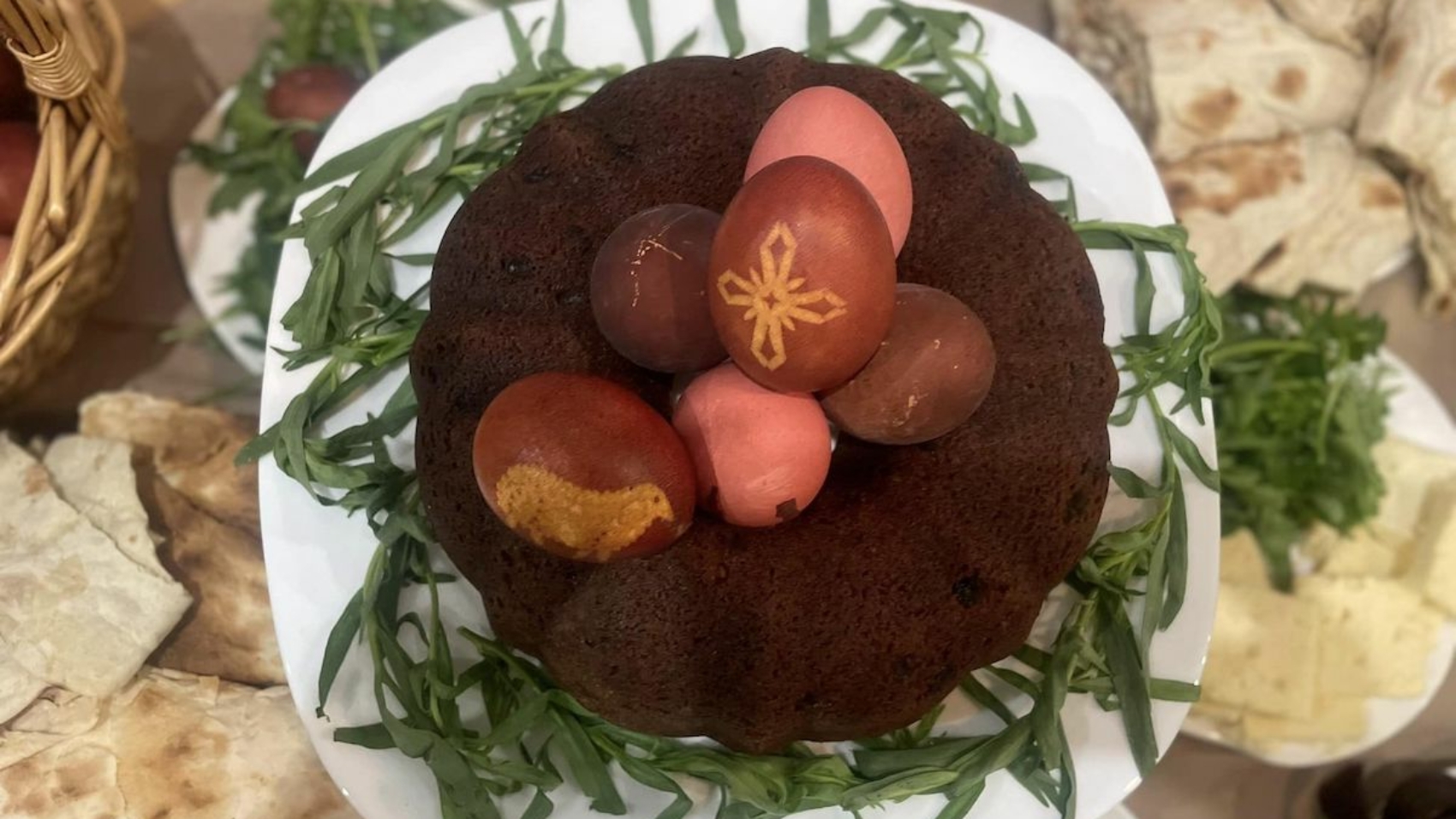
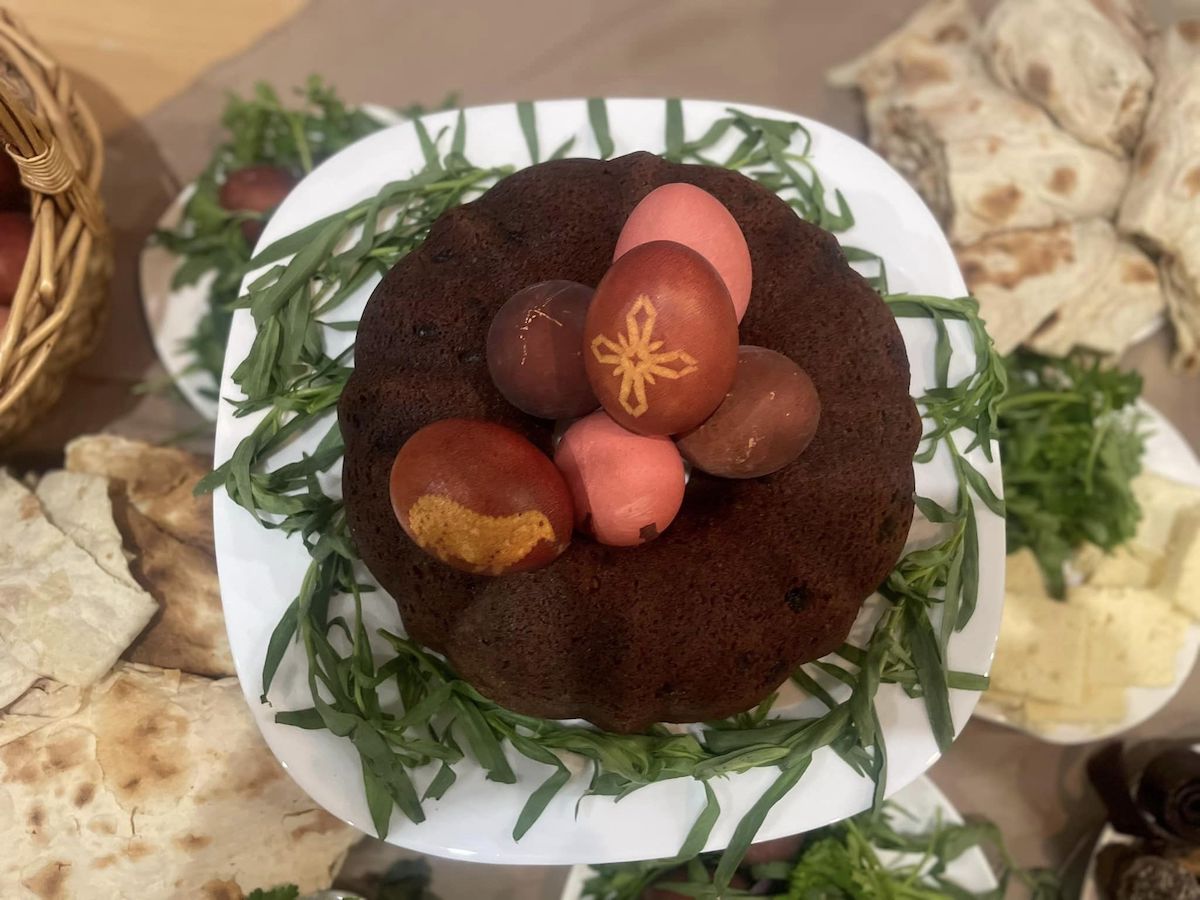
The “Red Egg”, a red-dyed egg, is a symbol of the popular and Christian official council of the holiday, the resurrection after death, and is widely included in folk rituals. The Easter festival by its very nature corresponded to the meaning of the resurrection of nature, including human life. The earth had woken up at the height of its vitality, and the oxen with red painted hooves were taken by men to the field to “turn over the soil, which had become cloddy (impregnated) from living with the snow.” The Armenian theologian of the 14th century Saint Grigor Tatevatsi says about dyeing the egg red. “We paint eggs only on Easter, because the egg is the model of the world and as the wise say, “the outer shell is like the sky, the shell is like the air and the protein is like the water. Yellow is the earth” and the red color symbolizes that the world was bought with the blood of Christ. Taking the red egg in our hands, we declare our “salvation”. This very important confirmation proves that in the 14th century, the Armenians perceived the country not as a separate entity, but as part of the “world”, cosmic unity, and the Armenian culture as a part of the general earthly culture.

All Easter rites and ceremonies were communal; the sacrifices were aimed at the general well-being of the community, and were performed with the help and participation of all members of the community. The biggest share of songs and wishes was certainly about rain, wheat, and bread. Easter parties were usually in the fields, in large groups, and were accompanied by egg games, sports matches, group singing and dancing. The universal joyful participation and emotionality gave birth to new folk song-musical gems; new aesthetic forms of egg patterning and decoration were invented (H. Kharatyan-Arakelyan, Armenian folk holidays, Yerevan, 2005, p. 135-159).

After the collapse of the USSR, the Easter festival was significantly revived and activated. Currently, it is viable and celebrated mainly in families, but in some regions it continues with family and community pilgrimages. Easter now has stable components of a holiday dish: hard-boiled red eggs, fish, pilaf, kashovi, and various fresh and fried greens, gata. New forms of egg games, painting, patterning and decorating eggs have emerged, and the business sector is also happy to respond to the demand. The number of visitors to the Easter church has increased. Certainly, many people go to participate in the Council of the Resurrection of Christ, but there are also many who take eggs to church on that day, wish to receive an egg blessing and celebrate Easter with blessed eggs. Some people also take home-sprouted wheat with them to the church for blessing. The “Atzik” sacrament is the phenomenon of communicating with the resurrection of nature by eating the first sprout of wheat, that is, the first objective evidence of resurrection. Traditional “malt” food is prepared from red sprouts of wheat specially germinated in a humid environment without letting these sprouts turn green. The phenomenon of decorating the house and apartment with Easter symbols is becoming widespread. There are local peculiarities of celebrating Easter in the regions of Armenia. A business offering of holiday ingredients, both in the form of services and products, is currently being developed. The social significance of the holiday is the development of spiritual and cultural values and aesthetic perceptions, the formation of the cultural commonality and emotionality of the society, the transfer of cultural heritage to the generations, the fusion of the best secular and religious values, the importance of family warmth, the re-establishment of the permanence of the human-surrounding social and natural environment connection.

ՀՈԴՎԱԾների համար

Making of the Armenian Gata and its Cultural Manifestations

making-of-the-armenian-gata-and-its-cultural-manifestations
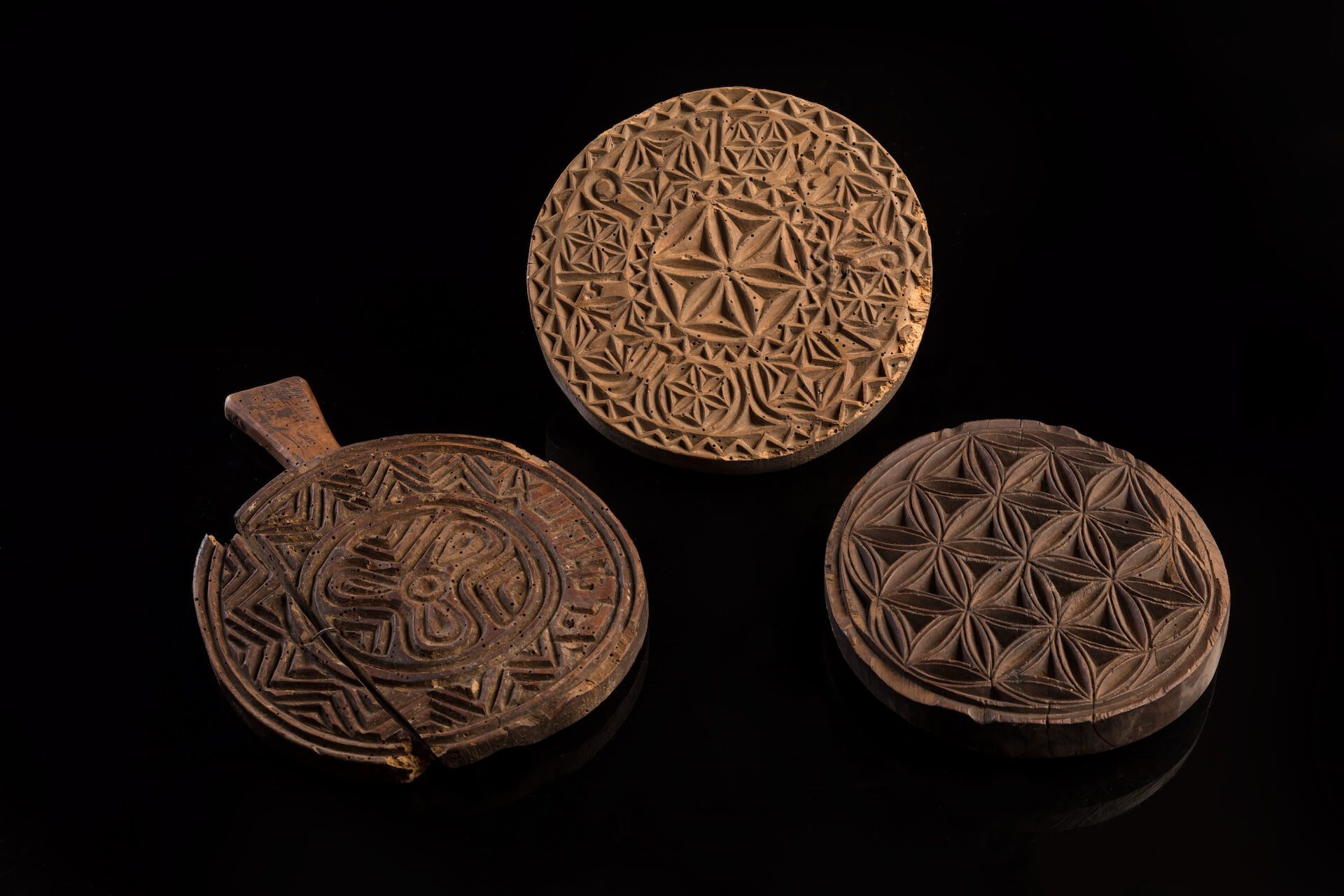
Gata Pattern Stamps, Folk Arts Museum collection

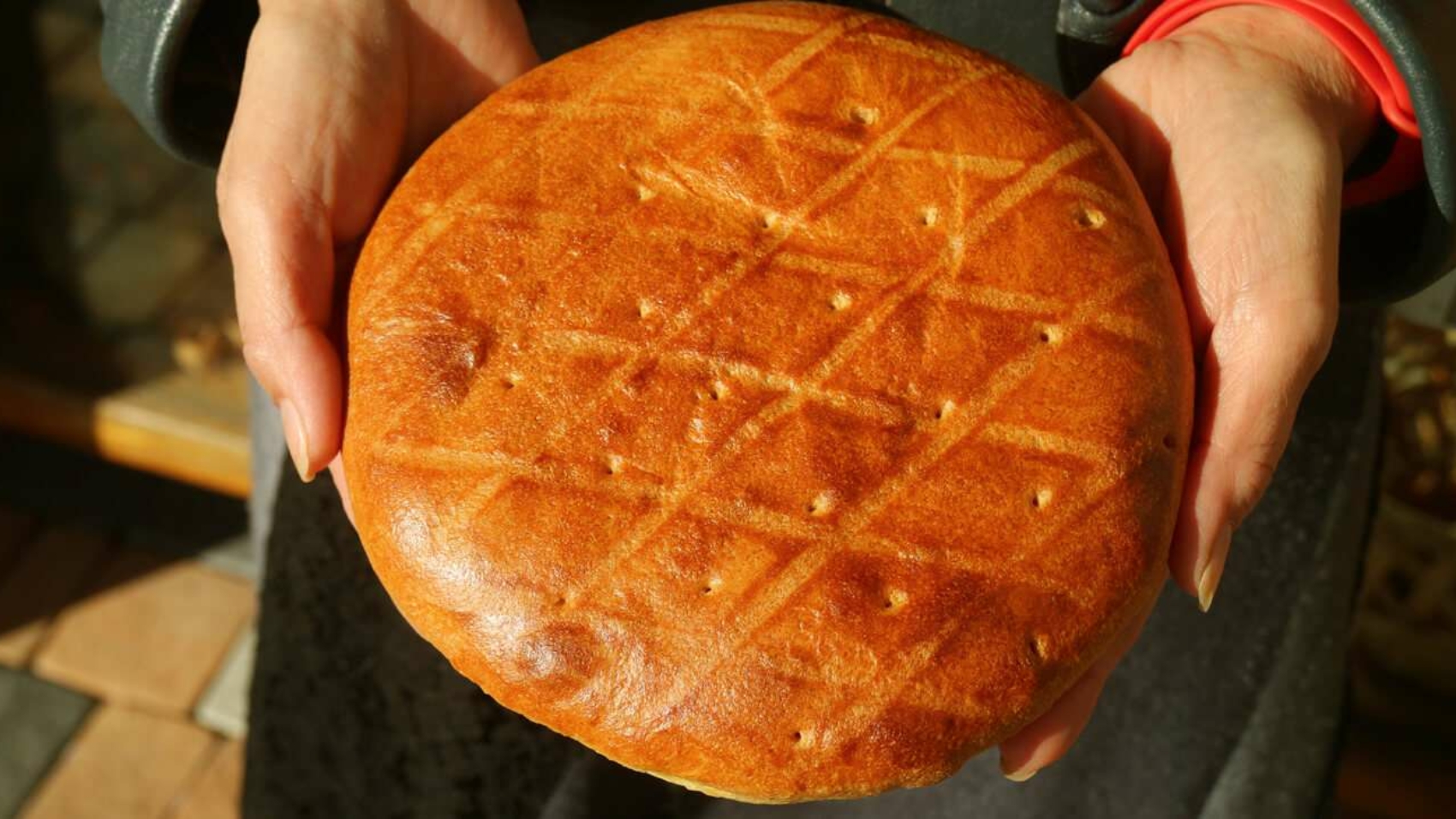
A sweet cake made with oil, milk, eggs, dough with or without a crust, and oil on fasting days. Gata is made with layers of dough and has several stages of preparation. In rural communities, great importance is attached to kneading the gata dough and lighting the tonir. Not only the women of the given house, but also the neighboring women participate in them. During the preparation of gata, the circular, flat, smooth surface wooden ornament has an important function. In this way, the signs of the sun and the moon are depicted on the gata. There are various recipes of gata, which differ in the type and shape of dough and choriz: round, square, rectangular, diagonal, large, small and patterned.

Gata is a dish of the festive system, the round shape of which is related to the worship of the sun. On solemn and festive days in Armenia (baptism, wedding, funeral, etc.), they baked and continue to prepare different types of gatas to this day. Lately, Gata has gained wider use in society. It is served not only during folk and family celebrations, but has also become an everyday dish. Performing gata dance during weddings is said to bring good fortune to the family of the couple. They put a grain or a coin in a round gata and believe that in this way they contribute to the well-being and success of the family, and finding the coin brings good luck.

ՀՈԴՎԱԾՆԵՐ

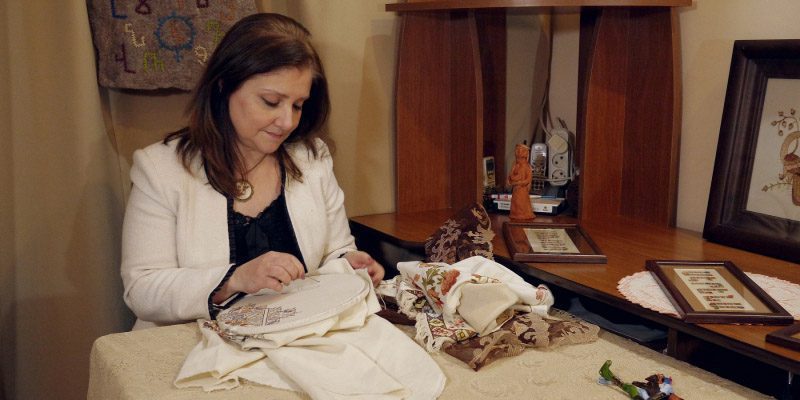
The embroidery culture of the Syrian-Armenian community of Armenia

ՀՈԴՎԱԾՆԵՐ

Skills and knowledge related to traditional craft, decorative-applied art.

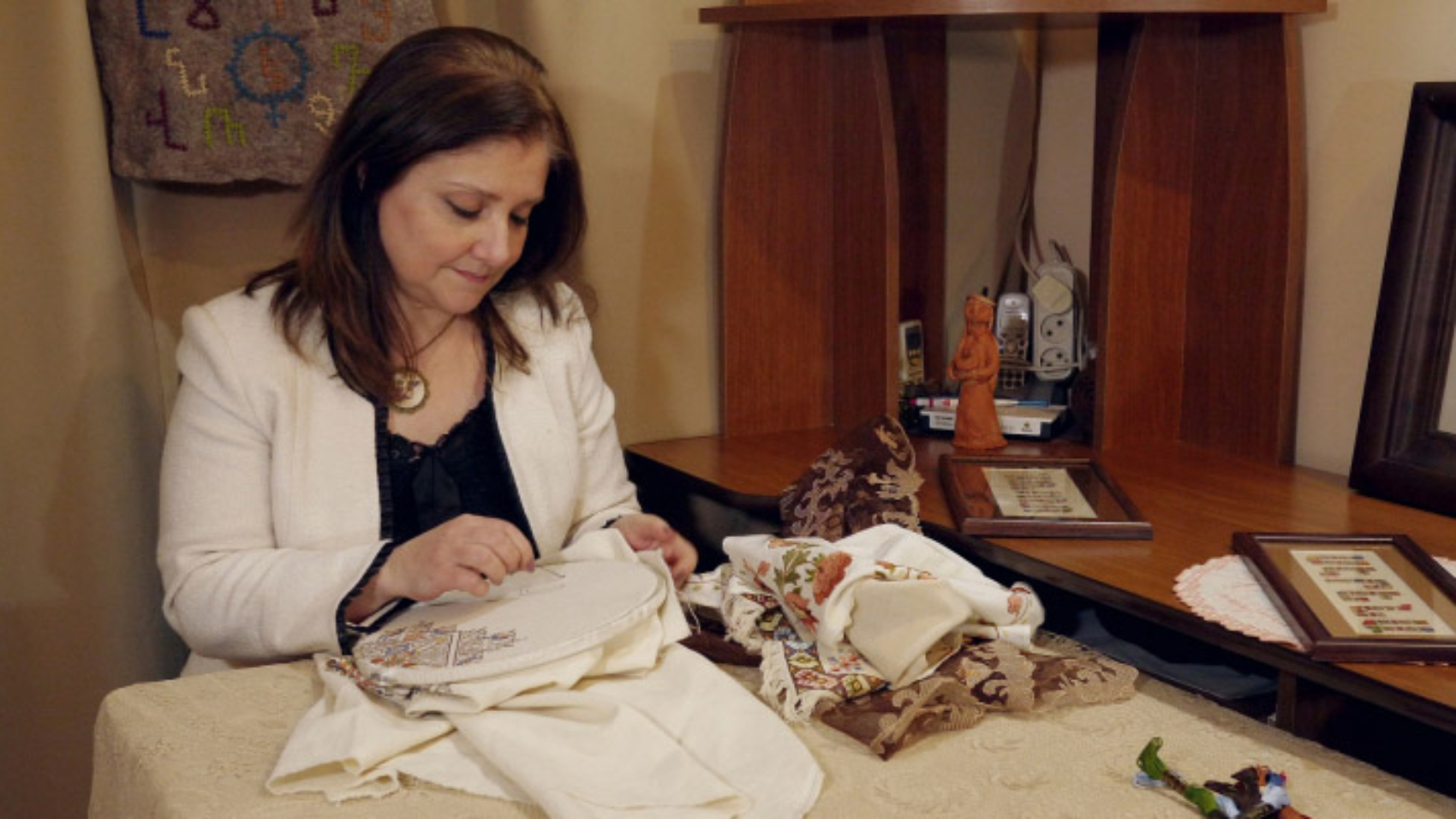
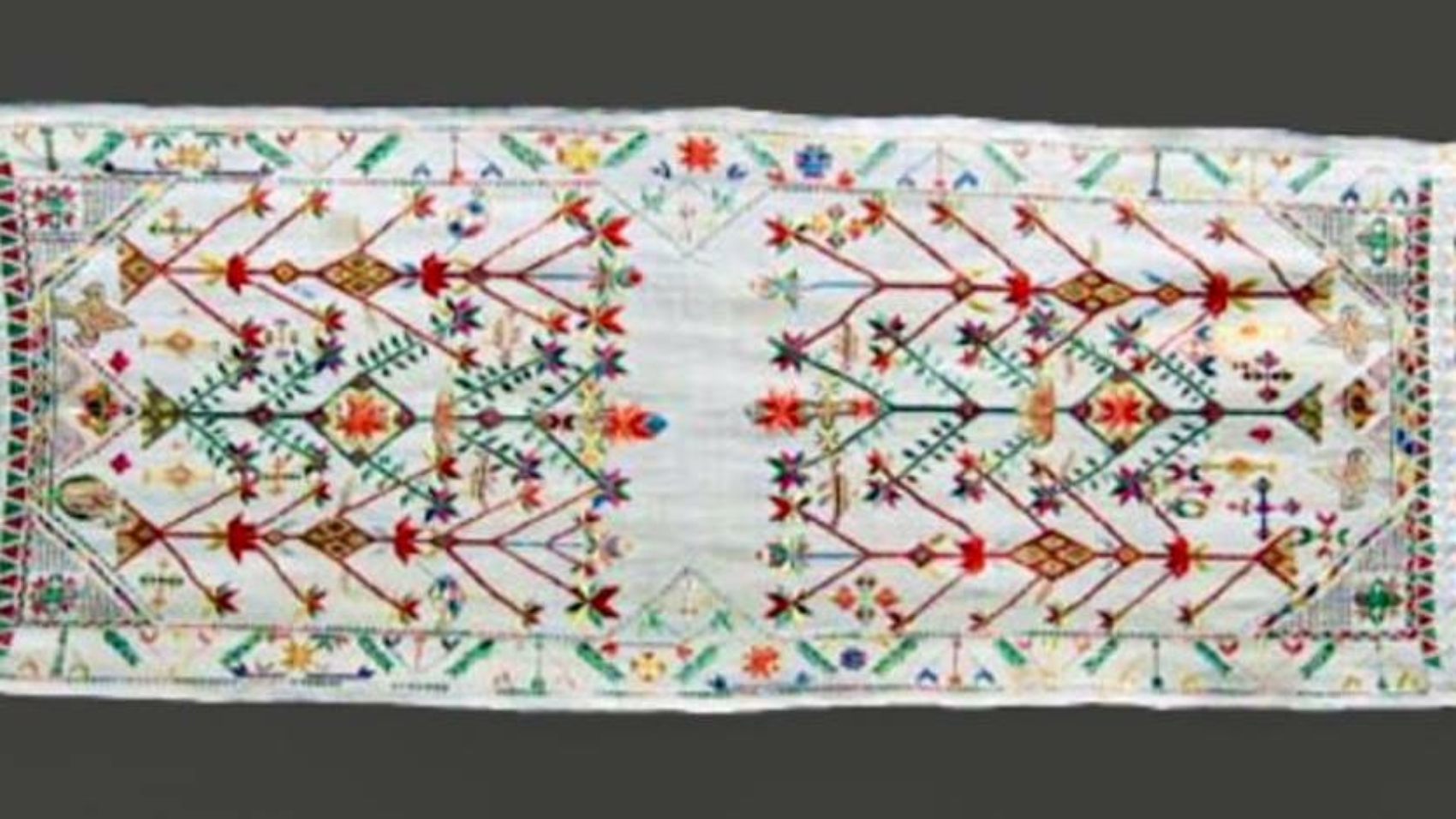
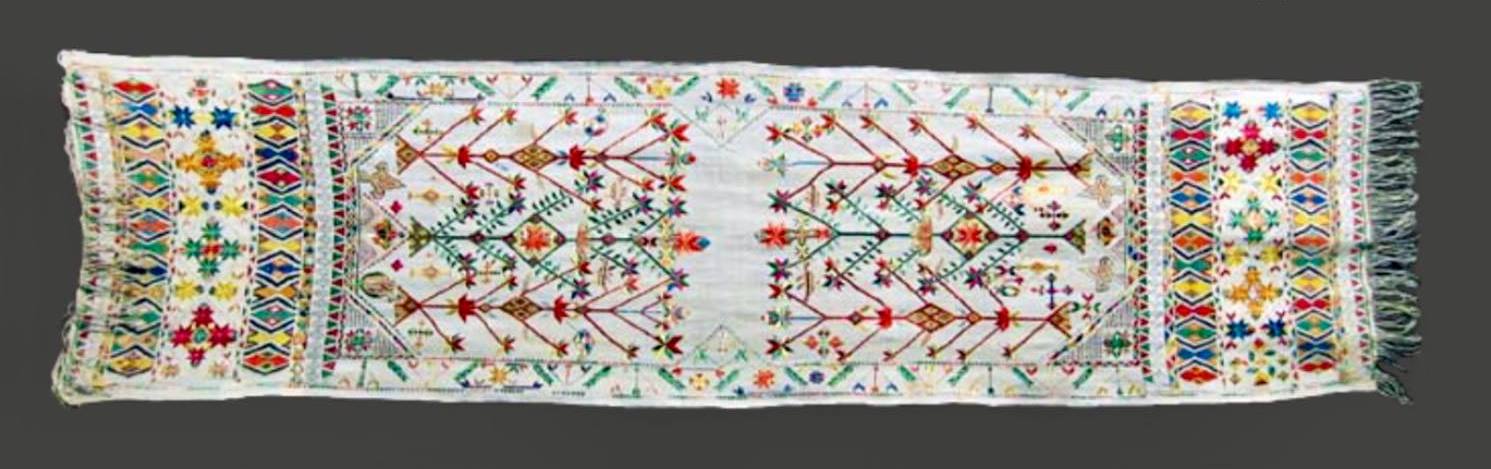
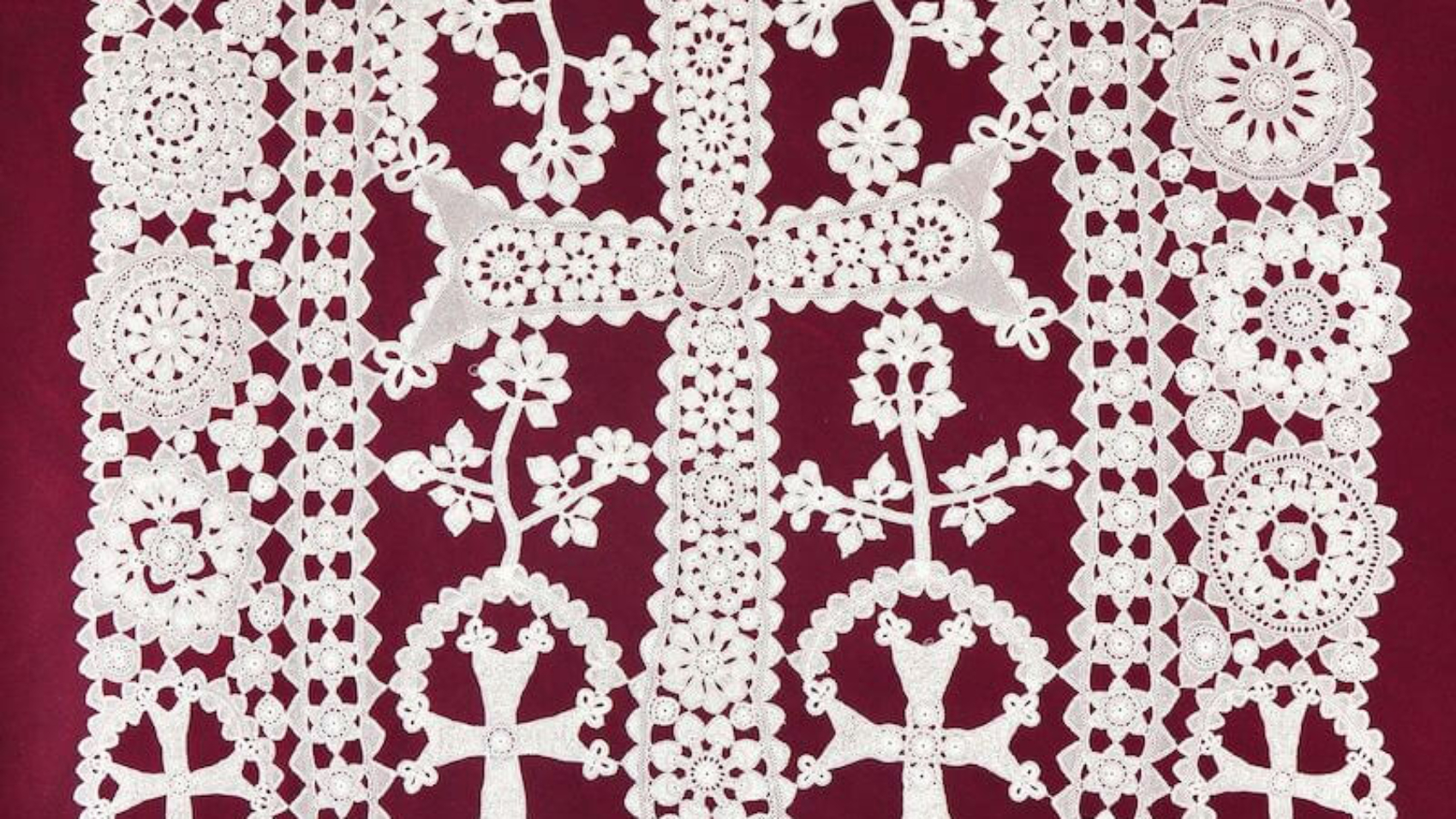
The embroidery school of Cilicia, whose carriers are Syrian-Armenian women, was formed on the basis of the traditions of the Ani school. In Cilicia, however, several centers stand out, the most prominent of which are Marash, Aintap, Urfa. The oldest examples of embroidery made with the Marash pattern in Armenia are from the 18th century, but 14th-15th centuries dated examples are preserved in the Ashmolean Museum at the University of Oxford. Armenians have settled in Syria since ancient times, but a large Armenian community was formed in Aleppo at the beginning of the 20th century, after the Genocide. Cilicia-Armenians from Aintap, Marash, Urfa and other cities settled here, who brought with them the knowledge and skills of Armenian crafts, through which they were able not only to make a living, but to keep the tradition alive, to create unique designs of embroidery and lace. The high-quality handicrafts of Armenian women and girls greatly helped them to maintain their existence in a foreign environment. Missionaries contributed to this, providing raw materials to Armenian women working at home, as well as opening workshops in orphanages. Armenian women often united and worked in groups. Their skills were later passed on from mothers to their children and grandchildren, they were taught not only in families, but also in newly created creative associations. Later, thanks to the great work of Armenian women, fashion productions based on embroidery traditions were created in Aleppo.
Syrian Armenian women master more than 15 types of embroidery and lace. In embroidery, the works made with Aintap, Marash, Urfa, Tigranakert, Kilis, Swazi, Van, Malatia stitches, as well as “Shadow work”, “Blind work”, “Titeghi work” techniques are especially noticeable. In lace making, in addition to the traditional embroidered lace, they master the needle-helu, small shuttle, lace and “Lasse” techniques. Syrian-Armenian women have preserved and developed the sewing techniques specific to the Cilicia embroidery school, creating new ornaments and household objects, decorative works in line with modern times. “Aintap stitch” is a special type of threading, which is embroidered by removing the threads of the cloth in the direction of the width and length of the fabric and obtaining grids of the desired shape. Aintap threading is done together with a dumbbell and linear platformers. Currently, embroidery is done on a thicker cloth, keeping the principle, and the new style is called “Hartnkar”. “Marashi stitch” is secret, also known as “woven” stitch. The thread operating in this pattern had a certain order of transitions, a mandatory path to form the simplest ornament, the working thread passed through the same line four times, according to which, only the first and second rows were attached to the cloth, the last two rows were woven over the first ones. “Marashi” embroidery is made with twisted thin cotton threads, on cotton and velvet cloths, using vegetable and geometric ornaments. The Sebastia-Swazi stitch is the Tars stitch. the ornament with colored threads shapes the cloth not from the surface, but from underneath, in order to get the desired pattern on the surface. “Kilis stitch” is a top stitch, a combination of two different colored pieces, the upper one of which was cut according to the ornaments and attached to the takin so that the other colored piece was visible, creating a cut ornament. “Urfa” embroidery is flat, it is made with colored silk threads, sometimes with gold thread, on silk or cotton cloths, exclusively with floral patterns. With the aforementioned sewing and lace techniques, women and girls continue to create the most diverse items for everyday use: tablecloths, blankets, handkerchiefs, curtains, different parts of clothing, dowry accessories for young girls, the best samples of which are donated by women as a vow to the church.
Syrian-Armenian women who moved to Armenia continue to keep alive their inherited embroidery and lace-making traditions. The preservation of the originality and characteristic features of the historical Cilicia embroidery school, their uninterrupted transmission and bringing to the present day is of great importance for the development, dissemination and new appreciation of this field of folk art.

ՀՈԴՎԱԾ

Armenian New Year

ՀՈԴՎԱԾ

Among the Armenians, the holiday was known under several names: New Year, Taremut, Kaghand, Kaghind, Kalontar. The night before the New Year was known as the Night of Lole, Hlvlik, Kakh, Gotekakh. The latter were determined by folk customs performed during the holiday. Having lost its statehood, the New Year lost its wide public resonance and inclusion in the holiday and gradually modestly “settled” in the family, and partly in the community environment. Only in those provinces where the New Year was still called Navasard (Syunik, Artsakh, Utik, Nakhichevan) and celebrated in mid-November, did it still have wide public participation and was celebrated publicly in open areas with musical groups and entertainment. But family involvement and holiday celebrations were more common. The main symbolic actions were aimed at cleanliness of the body, space and soul (complete cleaning of the apartment and surrounding areas: barn, garden, pantry, replacing old clothes with new ones, using red, paying off debts, transforming hostile or unfriendly relations into friendships or reconciliation, etc.), ritual prevention of evil (use of fiery signs and objects, driving away evil with shots, anti-evil guards at night), ensuring goodness, abundance, family and social harmony, health. On December 31, ceremonial bread was baked, known as “Bread of the Year”, “Krkeni”, “Dovlat Krkeni”, “Kloch”, “Purnik”. Among the pan-Armenian customs of the New Year, one can single out ritual detours of groups of 10-12-year-old boys and, in some places, groups of girls, as well as the tradition of greetings on the holiday the day before. Despite fasting, a meal called “kyashka” or “harissa” was cooked at night: layers of meat and wheat, but they were never mixed so that there would be no unrest, disagreement and anger during the year. It was tasted early in the morning, yet “the darkness was not separated from the light.” On January 1, visitors were bombarded with symbols of abundance: nuts, raisins, small candies. Among the forms of New Year’s holiday entertainment were home games, the play of shadows cast on the wall, riddles, quick games, and visits to relatives. Fruit was very important. Dry and fresh fruits, along with raisins and legumes, were the main components of the New Year’s dish.
The celebration of the New Year in Armenia has undergone significant changes and acquired a public character during the Soviet years. The custom of decorating a Christmas tree has become widespread. Christmas trees were either public (on the main squares of villages and districts, in schools, workplaces, in places of culture – theaters, concert halls), or privately-family. The characters of Santa Claus and Snow White entered the 20th century Armenian New Year. Dishes familiar to the USSR (salads, pastries, new snacks, etc.) also entered the festive life. The popularization of the holiday was also facilitated by new areas of festivals with public and cultural offers (children’s Christmas trees, corporate parties, concerts), and with the spread of television, family gatherings, because it was possible to “participate” in official events remotely without leaving home.
With the independence of Armenia, public relations have left a new imprint on the festival. A new phenomenon is the festive decoration and decoration of settlements with lights and many Christmas trees. The festive decoration of apartments, sparkling garlands, balloons, etc. received a new development. At the same time, the search for the restoration of some traditional national values is intensifying: baking “Annual bread” and other ritual pastries, their ritual cutting-tasting and fortune-telling. The New Year forms a new culinary complex, which includes obligatory (tolma, pancakes, kufta, vegetable salads, legumes, nuts, fruits, gata), desirable (specially processed pork leg or turkey) and updated creative part of the traditional. One of the features of the holiday of the year is that people prepare for it emotionally and financially almost the whole of December, with shopping, advertising of entertainment, service and sales business offers and a sharp change in the assortment of store premises.
հոդված.

The Tradition of Celebrating the Anniversary of the Self-defense of Musa Dagh

հոդված.

Տոնակատարությունն ունի մի քանի անվանումներ` Մուսալեռի օր, Սուրբ Խաչի օր, Մուսալեռի հաղթանակի օր, Մուսալեռցիների տոն:
Մուսալեռան ինքնապաշտպանական մարտերն սկսվել են 1915 թ. օգոստոսի 7-ին։
Մուսա լեռան հերոսամարտին անդրադարձեր են եղել պատմական երկերում, իսկ ամենահայտնին Ֆ. Վերֆելի «Մուսա լեռան 40 օրը» վեպն է։
Մուսա լեռան տոնակատարությունն առաջին անգամ նշվել է 1916 թ. Պորտ Սայիդի Հայ բարեգործական Ընդհանուր Միության Սիսուան վարժարանում, որի ընթացքում հիշատակվել են ինքնապաշտպանական մարտերի ընթացքում ընկած 18 զոհերը եւ մարտի հաղթանակը։ Հետագայում, տոնի ընթացքում Հայաստանում եւ արտերկրում պատրաստվող հարիսան համարվում է 18 զոհերի հոգու հանգստության մատաղ։
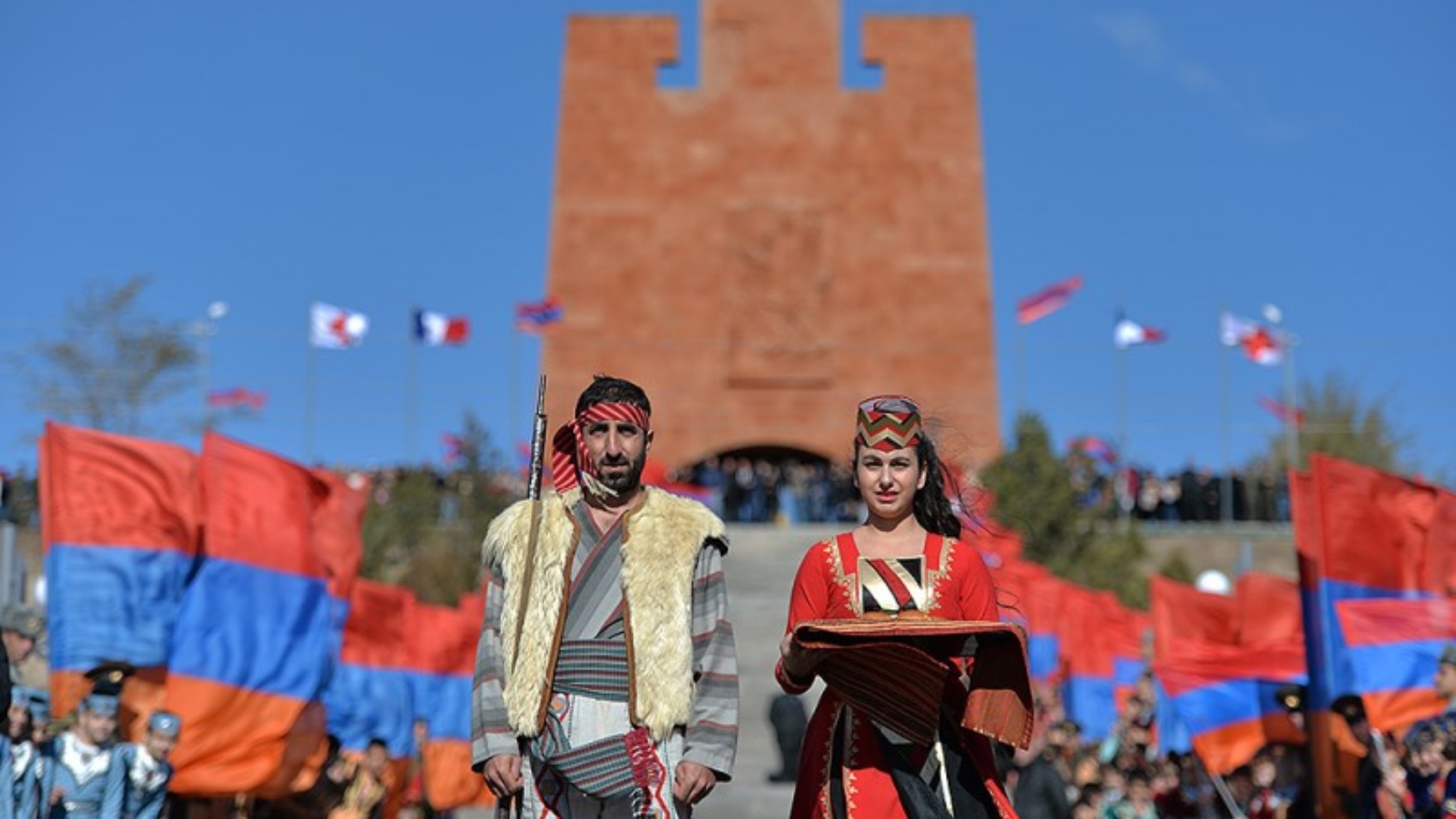
Տոնի գլխավոր խորհրդանիշը Մուսալեռան հերոսամարտը հավերժացնող հուշարձաններն են։ Առաջին հուշարձանը կառուցվել է Մուսալեռան Դամլաճըք բարձունքի վրա եւ խորհրդանշում է ֆրանսիական նավերի միջոցով իրականացված փրկությունը։
1976 թ. Հայաստանի Մուսալեռ համայնքում, բլրի վրա կառուցվեց տուֆակերտ հուշարձան-թանգարանը /ճարտարապետ՝ Ռաֆայել Իսրայելյան/։
1995 թ. Լիբանանի Այնճար համայնքում կառուցվեց հերոսամարտը հավերժացնող երրորդ հուշարձանը /ճարտարապետ՝ Ռոմիկ Ջուլհակյան/։
ՀՀ Մուսա լեռան հերոսամարտի հուշարձանն արծվի տեսք ունի, որը հսկում է Մուսալեռի բարձունքը, իսկ ճակատային մասում պատկերված է Կիլիկիայի Մուսա լեռան տարածքում կառուցված հուշարձանի փորագրությունը։ Թանգարանը բաղկացած է երկու հատվածից, որոնցից առաջինը հերոսամարտի մասին պատմող ցուցադրություն ունի, իսկ երկրորդում հիմնականում ցուցադրվում են 19-րդ դարի Կիլիկիայի մուսալեռցիների կենցաղն ու սովորույթները, տարազն ու տնտեսական զբաղմունքները: Թանգարանի դիմաց գտնվում է «հերիսատունը», որը կառուցվել է հարիսա պատրաստելու եւ բաժանելու համար։
1960-1970 թթ. մի խումբ մուսալեռցիների խնդրանքով Գինեւետ գյուղը վերանվանվել է Մուսալեռ։
Սկզբնական շրջանում տոնակատարությունը կազմակերպվում էր գյուղամերձ այգիներում: 1978 թ. հուշարձանի բացումից հետո այն ավանդաբար կազմակերպվում է հուշարձանամերձ տարածքում: Տոնը կազմակերպում է «Մուսալեռ հայրենակցական միությունը», մասնակցում են ոչ միայն մուսալեռցիներ, այլեւ ՀՀ տարբեր համայնքների բնակիչներ: Տոնը 2 օր է տեւում: Այն նշում են նաեւ արտերկրում բնակվող մուսալեռցիները (Եգիպտոս, Լիբանան, Թուրքիա, Ֆրանսիա, ԱՄՆ, Կանադա, Ավստրալիա):
Մուսա լեռան տոնակատարությունը սկսվում է Սուրբ Խաչի կիրակի օրվան նախորդող շաբաթ օրը, երբ կաթսաները լցվում են հաճարով ու մսով եւ դրվում կրակին: Այդ նպատակով Մուսալեռ հայրենակցական միությունն աշխատանքային խումբ է ձեւավորում։ Մուսալեռան հարիսան պատրաստում են միայն տղամարդիկ, որի ընթացքում ազգային ազատագրական բնույթի երգեր են երգում, հատկապես մուսալեռցիների «Հելե հելե հելե նիննո» երգը, որը նաեւ ընդունված է համարել մուսալեռան հարիսայի պատրաստման երգ։
Այդ արարողությունից բացի, մեծ խարույկ է վառվում, որի շուրջ սկսում են պարել եւ «դահոլ զուռնա» զարկել «գոս» կոչվող հարվածային գործիքով, որը հնչել է նաեւ Մուսա լեռան գագաթին՝ հերոսամարտերի օրերին:
Շաբաթ երեկո ողջ գիշեր երգ ու երաժշտություն է հնչում, պարում են մուսալեռցիների «Չալմը դանկը» դանակներով պարը: Տարածված է նաեւ մուսալեռան շուրջպարը։
Ինչպես Պորտ Սայիդում եւ Այնճարի առաջին տարիներին, այստեղ եւս տոնակատարության ընթացքում վրաններ են խփում Մուսալեռան հուշարձանի շուրջը եւ գիշերում։ Հաջորդ առավոտյան հարիսան օրհնելուց հետո, լցնում են ամանները եւ բաժանում։ Այն ընտանիքները, որոնք տանը հարիսա են եփած լինում, օրհնված հարիսայից տանում են տուն եւ լցնում իրենց պատրաստած հարիսայի մեջ։

hazarashen

Hazarashen

hazarashen

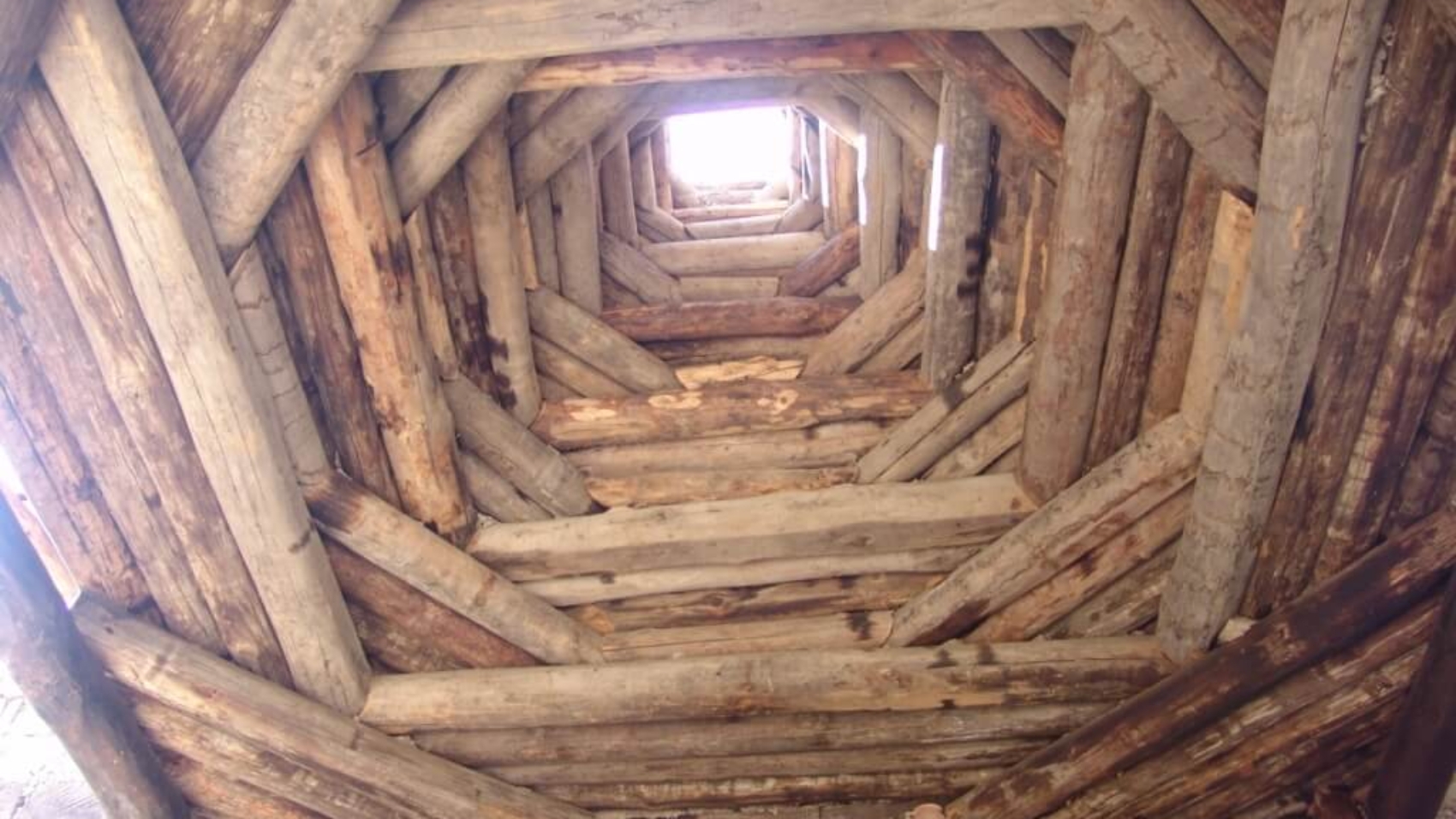
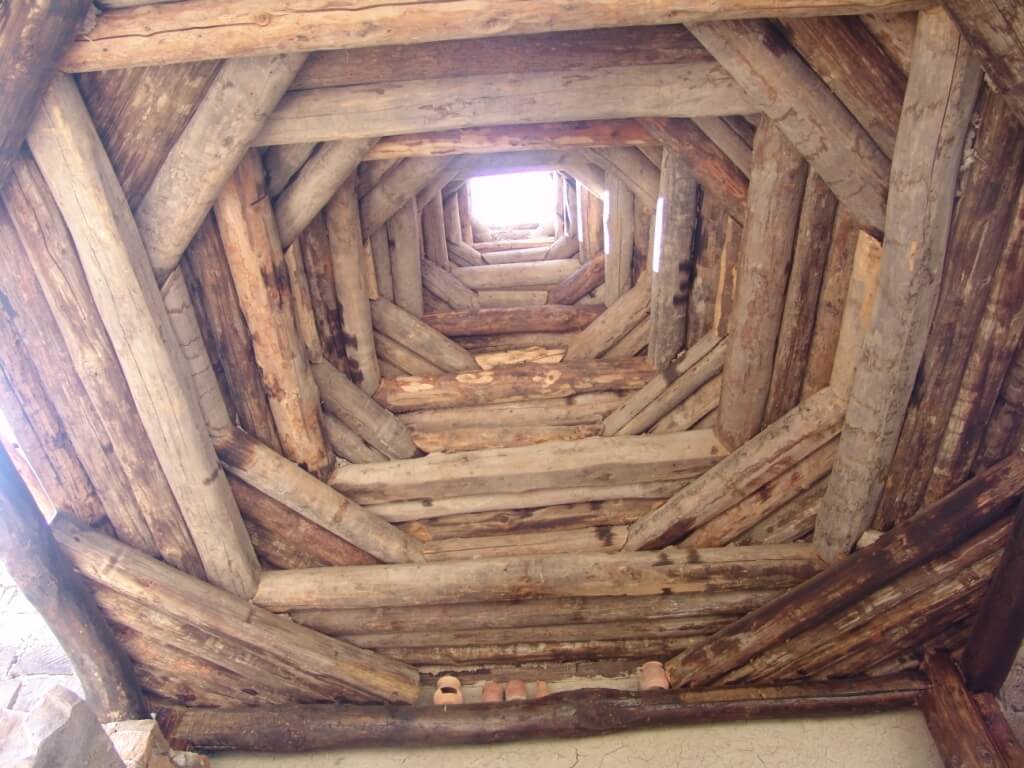
Hazarashen is a structure of an Armenian folk residential house, a pyramidal roof. It made it possible to cover relatively long flights with short logs or fours. Houses with a square plan are usually covered with the Hazarashen, and the central openings in the houses of other shapes are covered with a square. The weight of the roof is not borne by the walls, but by the four pairs of quadrangular or round columns made of logs, placed 1-1.5 meters from the corners of the house, which sit on stone pedestals. On the pillars are placed wooden pillars, which serve as a basis for the logs-riders placed along the length of the walls. Their corners are intersected by short logs, on which the next row of quadrangular logs rests. The gaps between the rows are covered with round or square cut logs or planks, gradually getting shorter. At the very top, an opening was left, an opening, on which cross iron bars were fixed. Erdik serves both for lighting, ventilation and removing smoke. From the outside, the rows of this ceiling are covered with hard, straw or reed, then with clay or solid earth. Hazarashen domes are more pointed and higher, they have the shape of a truncated cone. The main advantage of Hazarashen is that it is made with fewer and shorter wooden wheels or logs, hence its name, which means “made of thousands of pieces”.
Simple and complex versions of the Hazarashen cover were found in all regions of Historical Armenia: High Hayk, Javakhk, Shirak, Gegharkunik, Vaspurakan, Taron, Airarat, Vayots Dzor, Syunik, Artsakh and others.
During the centuries, the bearers of the knowledge of our ancestors about Hazarashen were the Armenian people, in particular, various community groups and individuals of the country, builders, as well as groups of intellectuals interested in the history of Armenian culture.
The groups that are the bearers of Hazarashen culture are decreasing day by day, the knowledge remains mainly in the memories of old people.