The Birth of Crafts

The Birth of Crafts

The Birth of Crafts

Hovhannes Sharambeyan Museum of Folk Arts is a unique hearth of national culture. The mission of the Museum is to safeguard, ensure the continuity and popularize the values of tangible and intangible cultural heritage. The collection of the Museum (around 12.000 exhibits) includes samples of different branches of Armenian decorative-applied art (woodworking, metalworking, stone carving, embroidery, lace making, rug and carpet weaving, ceramics, as well as works of self-educated painters).
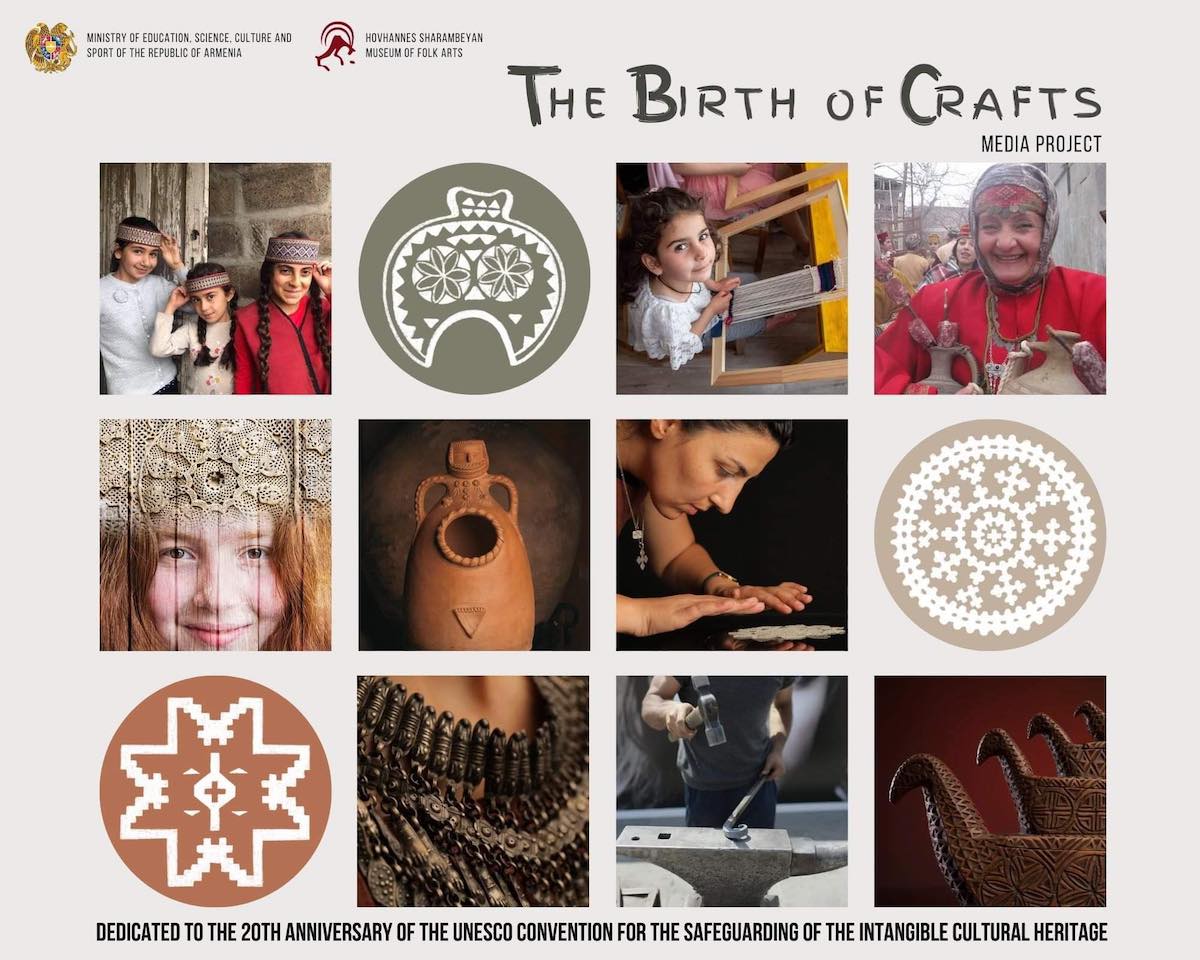
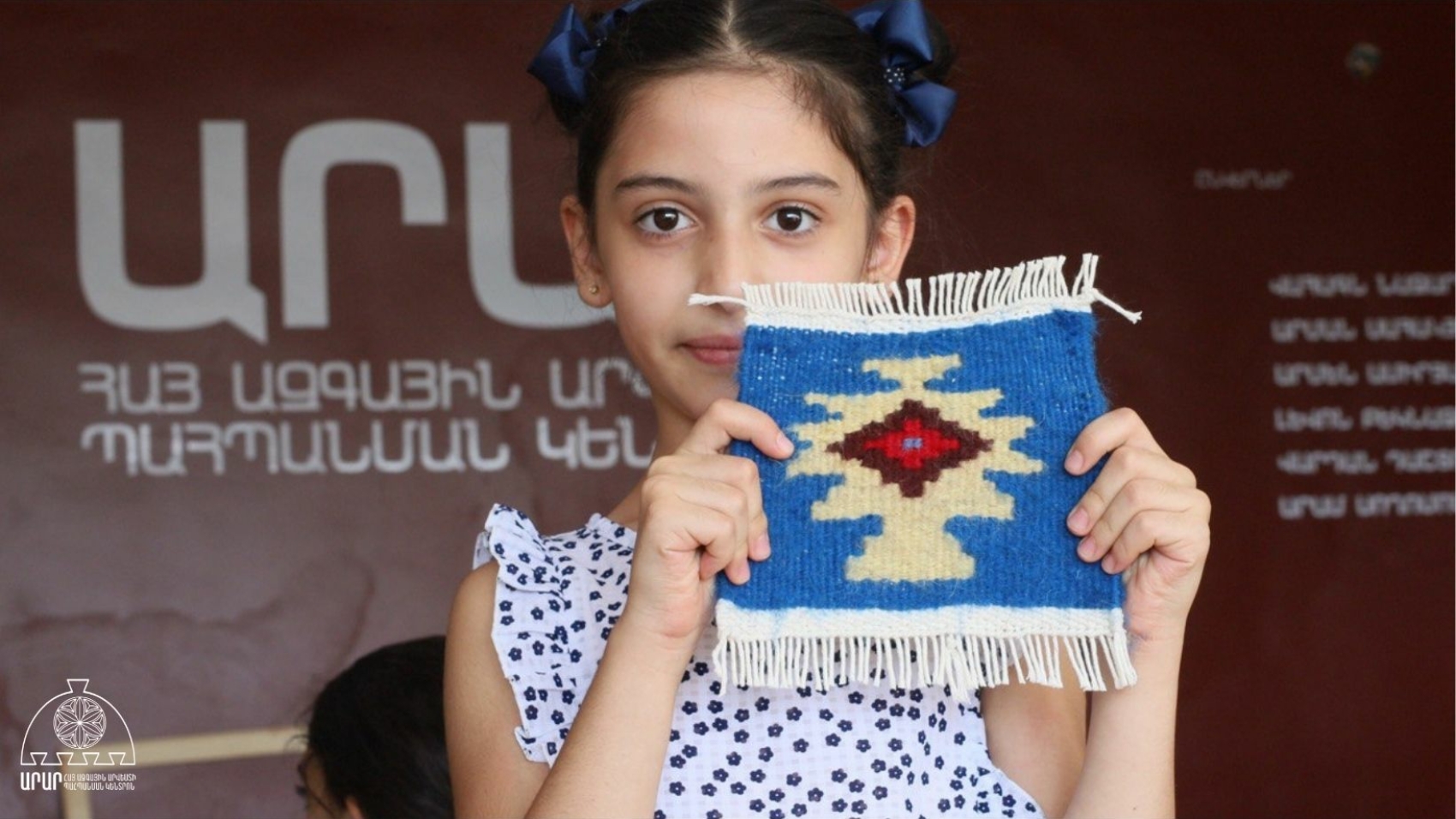
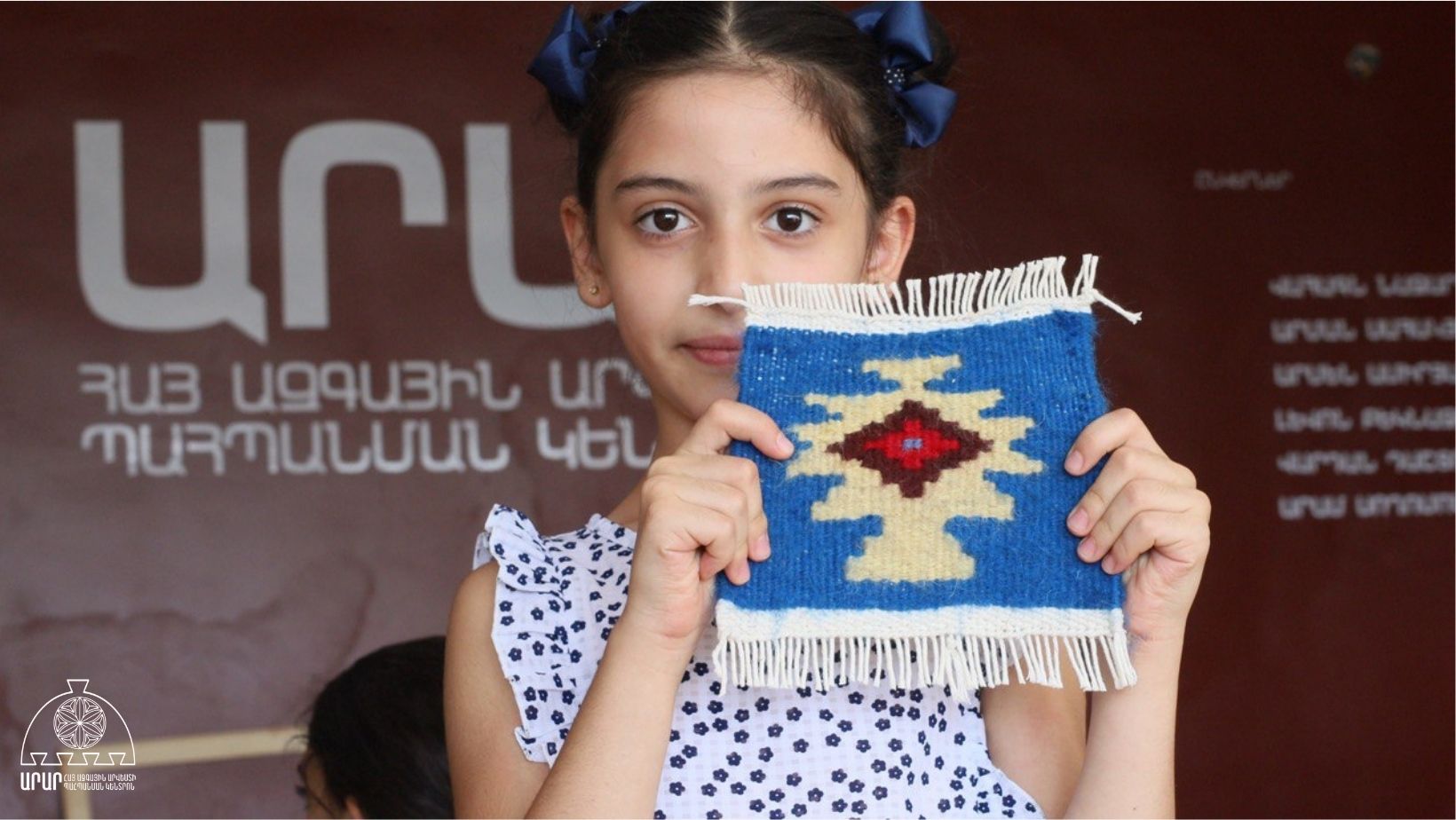
The Museum, dedicated to the 20th anniversary of the UNESCO Convention for the Safeguarding of Intangible Cultural Heritage, presents the program “The Birth of Crafts”. In the framework of the program, 6 short (1-2-minutes long) animated films with stop-motion and other animation techniques are being created. The films will feature folk crafts and related skills that are part of the intangible cultural heritage of Armenia- rug and carpet weaving, embroidery and lace making, felting, woodworking,
blacksmithing, ceramics. Animation techniques will make it possible to revive samples of folk art and, as a result, make them more attractive to the viewer. The animated films will feature a step-by-step process of creating samples of Armenian folk crafts, basic ornaments, as well as a brief historical sketch. A lot of work is being done to show the most important fragments of Armenian folk art with a long history within a few seconds of the animation and convey them to the viewer’s heart.
Ornaments bearing certain meaningful elements are often repeated on various samples of Armenian folk art, it may be wood, clay, metal or textile, and the collation of these short films will allow one to see those similarities, perceiving

Armenian culture as one integral system. After the completion of the production process animated films can be disseminated among the general public (local and foreign), go beyond the Museum of Folk Arts, serving as educational material in various institutions of formal and non-formal education, they can serve as a material demonstrating the cultural side of the tourist attractiveness of Armenia,
can be shown on television, on screens accompanying various international exhibitions and other events, presenting elements of the intangible cultural heritage of the Republic of Armenia in a brief, simple and attractive way. Soundwise and visually attractive material, and especially animation, which gives new life to inanimate objects, are attractive not only for children, but also for adults.
With this method, it will be possible to “tell” a large number of people about the rich Armenian culture, in particular, about folk crafts, in an attractive way.
One sample of Armenian folk art, such as a rug, can tell a whole story that is passed down from generation to generation and makes up one of the passports of the Armenian identity.

Traditional games festival

“Let’s Play Traditional Games” festival, August 27, 2023

Let's_Play_Traditional_Games_festival,_August_27,_2023 (1)

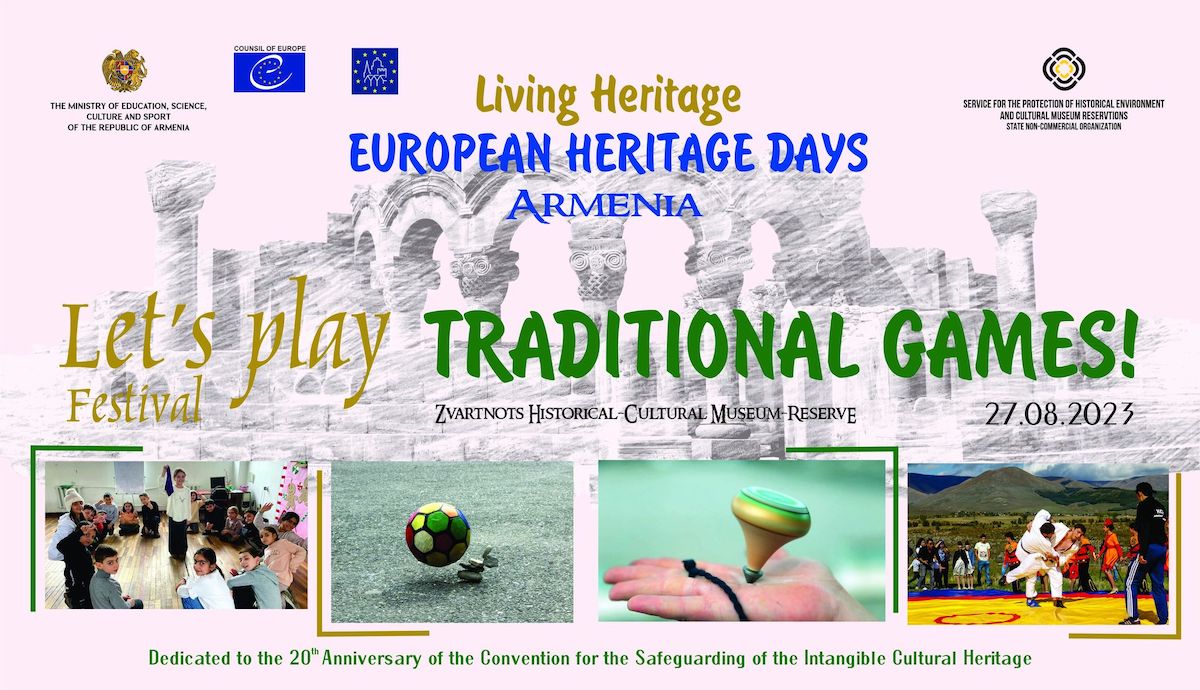
On August 27, 2023, within the European Heritage Days, the festival Let’s Play Traditional Games, will take place in “Zvartnots” Historical and Cultural Museum-Reserve (included in the UNESCO World Heritage List) by the initiative of the Ministry of Education, Science, Culture and Sport of RA and the “Service for the Protection of Historical Environment and Cultural Museum-reservations” State Non-commercial Organization.
The festival is dedicated to the 20th anniversary of the UNESCO Convention for the Safeguarding of Intangible Cultural Heritage

During the festival, Armenian, as well as national minorities’ traditional games will be presented, competitions will be organized, engaging different communities, cultural organizations and individuals.

Folk games have an ancient origin and a special role in the process of forming cultural identity, carrying historical and cultural information about national traditions. During games, players practice various skills which contribute to their personal development, education, patriotism, and cultural entertainment. The games are transmitted from generation to generation and foster intergenerational dialogue.

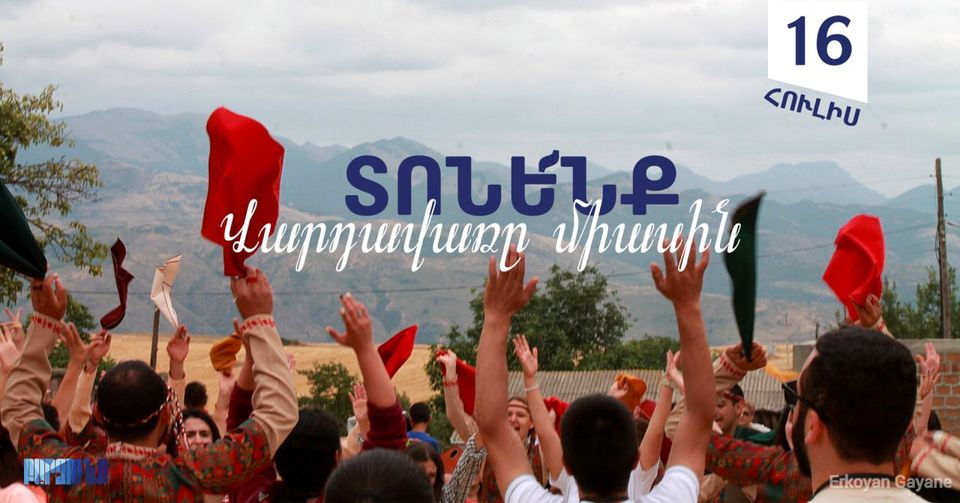
Վարդավառը «Բարձունք»-ի հետ

Vardavar /Armenian Holiday/

Վարդավառը «Բարձունք»-ի հետ

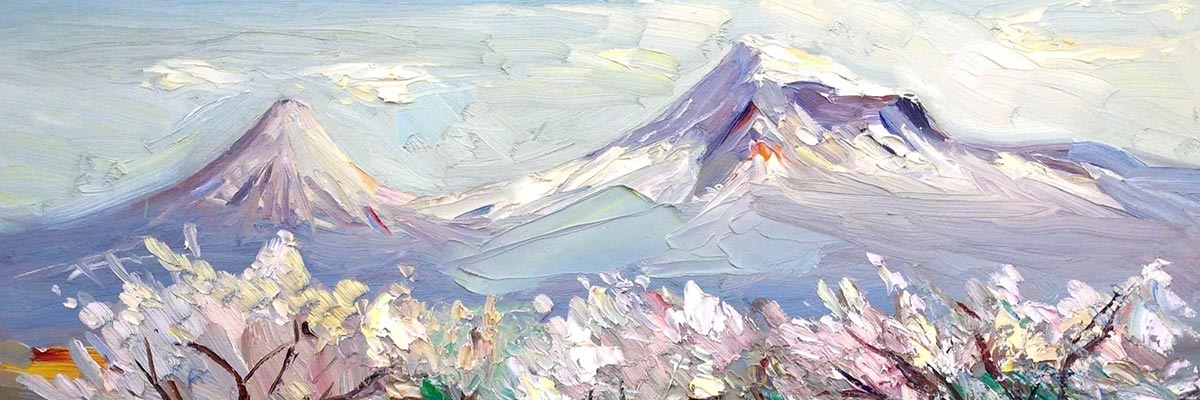
Among Armenians, Vardavar is one of the holidays with ancient roots. It reflects all the episodes of Armenian history and summer holidays: the story of Noah, the story of Hayk and Bel, the images of Anahit-Astghik, ancient Navasard holidays, Christian interpretations and the most popular performances. Tradition says that when Noah, who survived the flood, reaches the top of Masis and descends from there, the Armenian month of Navasard begins on that day. And so that the memory of the flood remains among the people unforgettable, Noah orders his sons to pour water on each other.
Vardavar coincided with the harvest of ripe grain in the fields. On the day of the feast, ears of corn were brought to the church almost everywhere, asking that the fields remain safe from hail and grasshoppers.
In Tavush, on the eve of the holiday, the girls walked around the fields all day long, picked a multi-colored and especially yellow flower called “vrtiver”, made cross bundles and secretly threw them into the yard of their relatives at night.
Bundles of wheat ears, woven with special skill, resembled the appearance of a woman. These “khachburs” were usually prepared by reapers before the start or end of the harvest in the field and served to the owner. Some researchers see in the khachbur a disguised image of Anahit, the patron deity of agricultural crops, and the hidden preservation of the cult in the everyday life of Armenians. Everyone knew the names of people who worked well in the villages.
Previously, there was a custom not to eat Vardavar apples. The first apple of the year was eaten on Vardavar, as was the first grape on the feast of the consecration of the grapes.
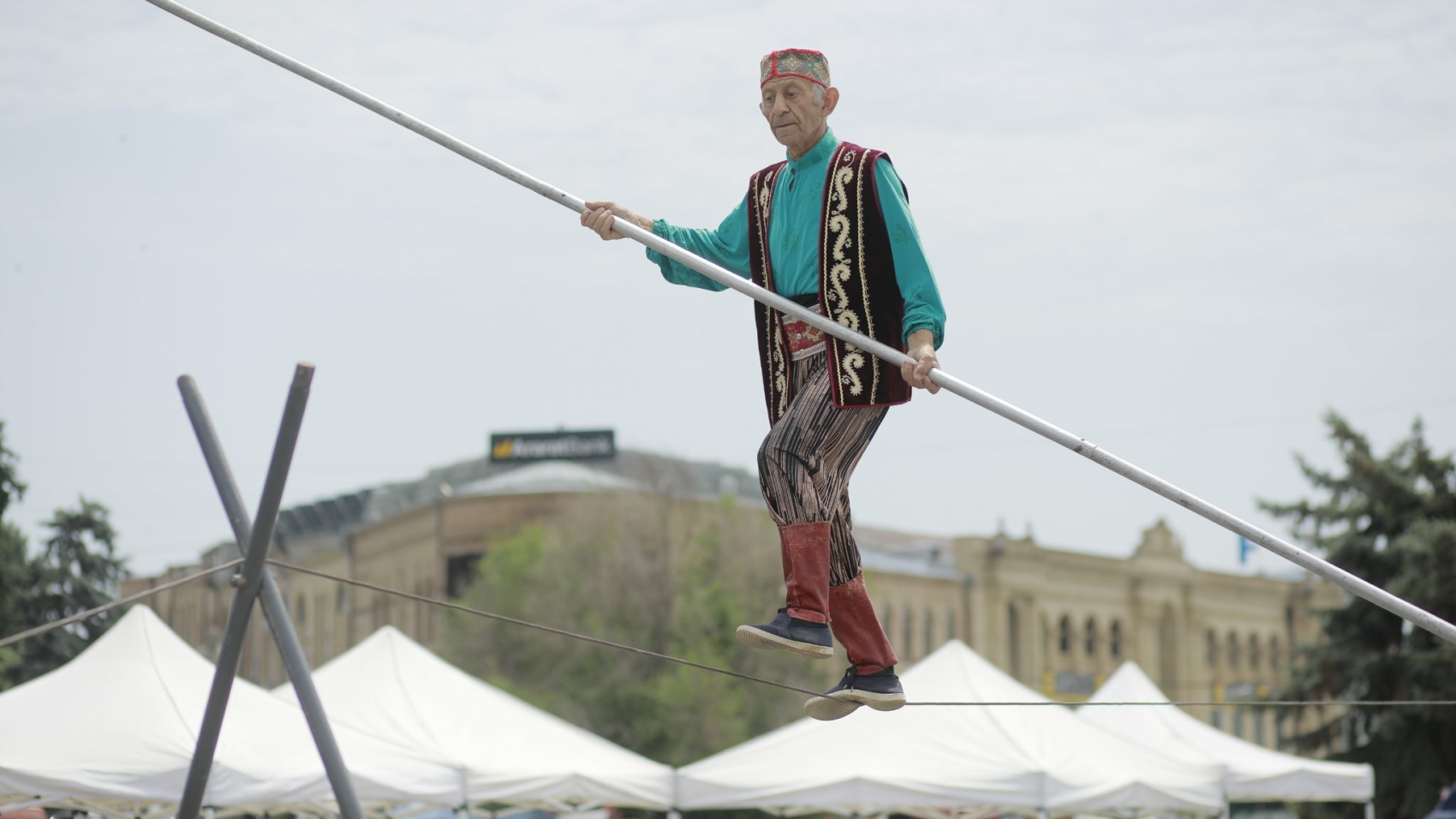
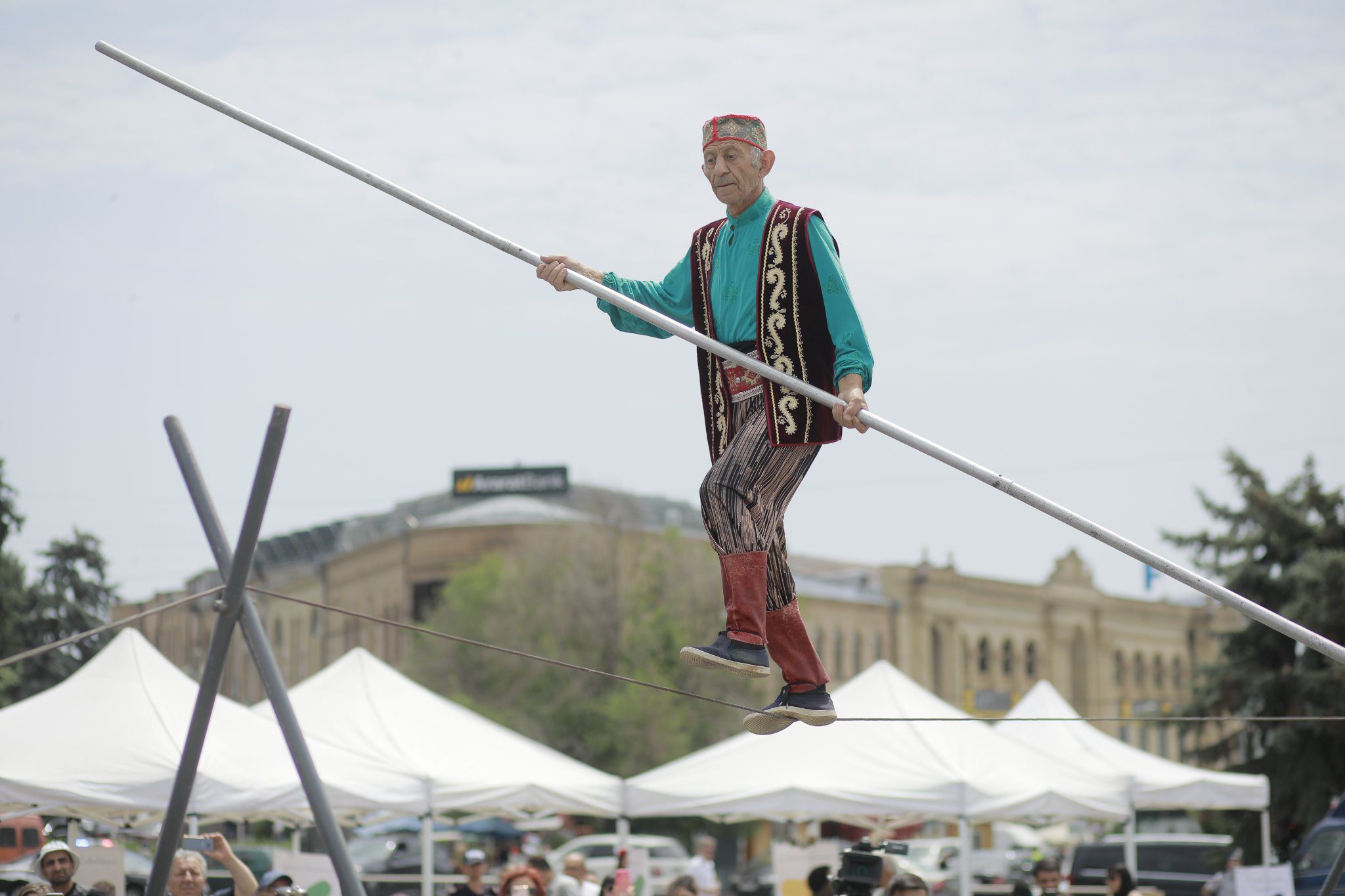
In the mountains, tightrope walkers gathered for Vardavar festivals, fairs and picnics were organized.
The flight of doves was one of the characteristic rituals of Vardavar.
In Agulis, up to Vardavar, betrothed girls grew wheat or barley in a bowl. On the day of the holiday, they planted a 1-meter cross in greenery and decorated it with small cucumbers, apples and roses. The decorated cross, together with greenery, was called “khundum”, and the whole rite was called “khundum tok” (in folk etymology, “give joy”).

Source: Kharatyan, “Armenian Folk Holidays”

Armenia Joined the

“Wiki Loves Living Heritage”

Armenia Joined the

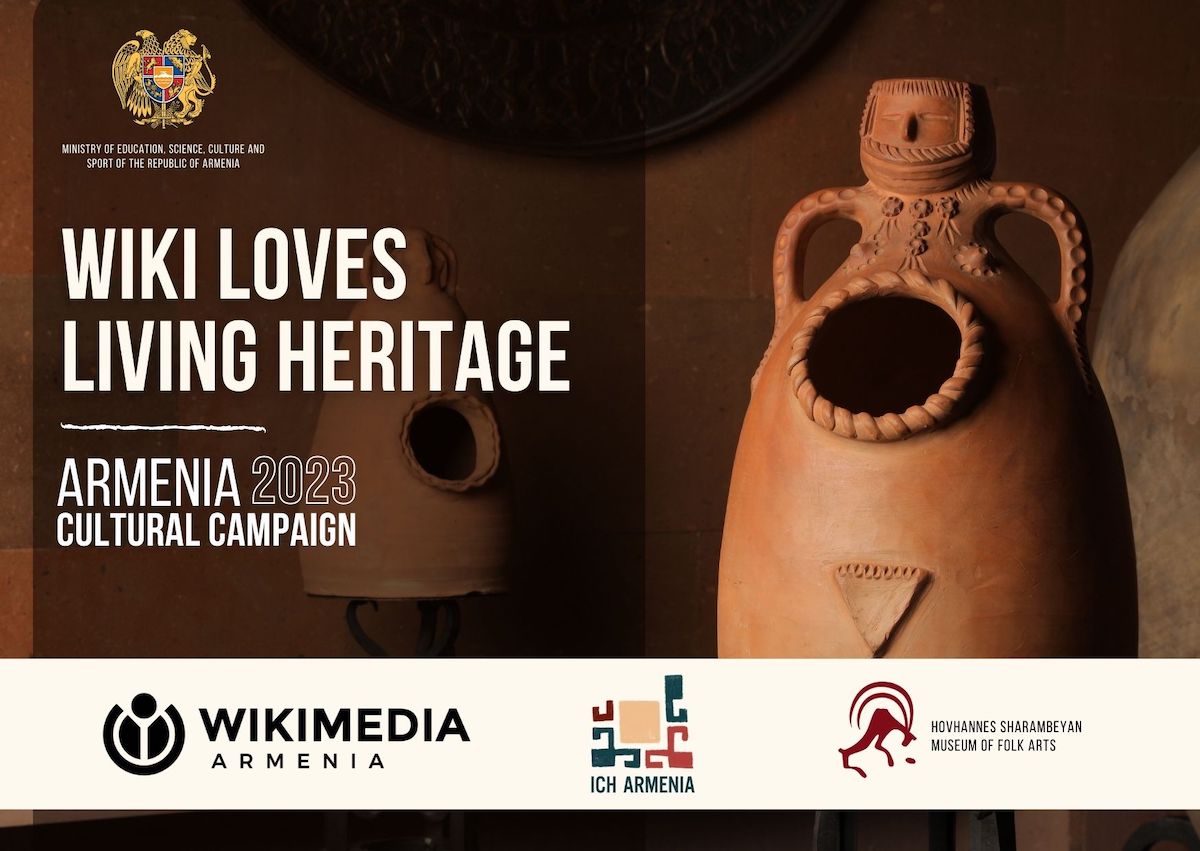
On the occasion of the 20th anniversary of the UNESCO 2003 Convention for the Safeguarding of Intangible Cultural Heritage, the international campaign “Wiki Loves Living Heritage” has been launched (on the initiative of the European Network of Focal Points for the UNESCO 2003 Convention (ENFP)) since March 2023.
The Ministry of Education, Science, Culture and Sport of Armenia and the Hovhannes Sharambeyan Museum of Folk Arts, together with “Wikimedia Armenia”, have joined this Campaign through a competition project from
August 1. The project has two sections: photo competition and editorial competition. The photo competition under the title “Safeguarding Living Heritage” will take place on the initiative of the European Network of Focal Points for the UNESCO 2003 Convention.
Photos related to the intangible cultural heritages of RA with a brief description should be uploaded onto the Wiki platform or sent to the e-mail address [email protected] by September 15.
The best 5 selected photos will be sent to the European Network of Focal Points, and the results will be announced by October 17.
The purpose of the editorial competition of the project is to distribute and publicize materials about
Armenian intangible cultural heritage on Wikipedia. English and Armenian articles are planned to be pօsted on Wikipedia by the end of the year.
“Wikimedia Armenia” will hold a one-day training course to support volunteers involved in editing articles and uploading photos. The program will be concluded at the Hovhannes Sharambeyan Museum of Folk Arts with the presentation of certificates of appreciation.
In case of any questions, contact can be made by writing to the email address [email protected] or sending a message to the museum’s Facebook page: https://www.facebook.com/cpc.arm
More details of the project can be found on the Wikipedia page: https://tinyurl.com/yr9mrdps.

ՀՈԴՎԱԾԻ ՖՈՏՈ (1)

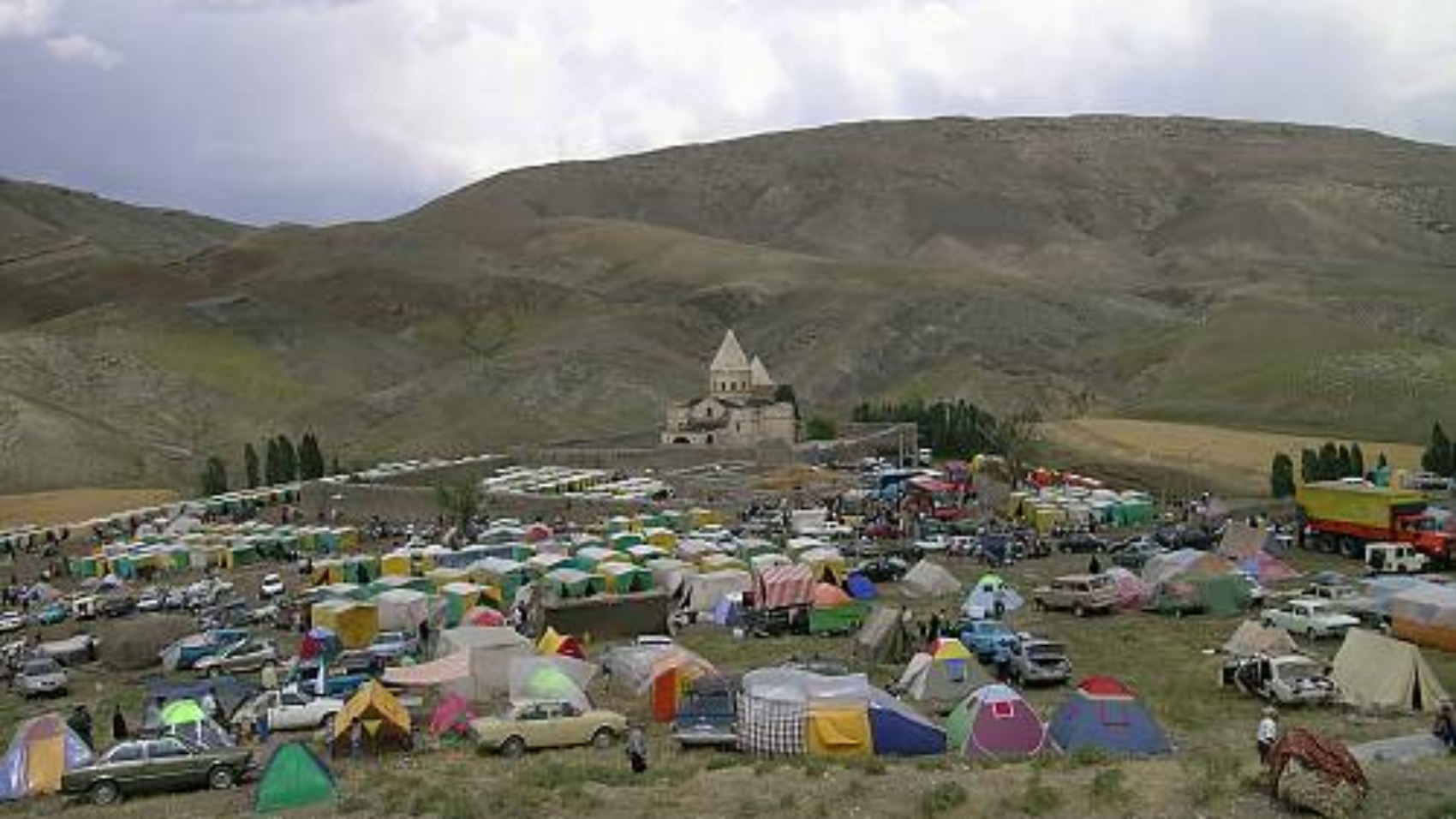
Pilgrimage to the St. Thaddeus Apostle Monastery

Was included in the UNESCO Representative List of the Intangible Cultural Heritage of Humanity in 2020.

The annual three-day pilgrimage to St. Thaddeus Apostle Monastery in northwestern Iran is held each July. The pilgrimage venerates two prominent saints: St. Thaddeus, one of the first apostles preaching Christianity, and St. Santukhd, the first female Christian martyr. The bearers of the element are the Armenian population in Iran, Iranian-Armenians residing in Armenia, and followers of the Armenian Apostolic Church. Pilgrims gather in Tabriz before departing for the monastery. They cover 700 kilometers from Yerevan to the monastery annually. The commemoration ceremony includes special liturgies, processions, prayers and fasting. It culminates in a Holy Mass with Holy Communion. Special times are set aside for traditional Armenian folk performances and Armenian dishes are served. The pilgrimage is the primary social and cultural event of the year. Because attendees reside in tents in close proximity to one another, the sense of community is enhanced. The monastery has been a pilgrimage site for over nineteen centuries. However, during the years of Soviet power in Armenia, participating in the pilgrimage was prohibited. Bearers of the element preserved cultural memories of the pilgrimage and transmitted it to families and communities. Only after independence in the 1990s was the pilgrimage from Armenia resumed.

anhapax-pashtpanutyun-unecox-arjeqner

The List of Urgent Safeguarding Intangible Cultural Heritage of Armenia

anhapax-pashtpanutyun-unecox-arjeqner
Folklore
  1. Epic “Karos Khach” /religious epic/
Folk Dances

2. Tightrope walking /ritual dance/

Folk Music

3. ”Vichak” (ritual) Songs” / folklore, national holidays/

4. Song ”Avetis”(good tidings) / musical and poetic genre, folklore/

5. Bagpipes (tik) / folk instrumental art/

6. Ud /folk instrumental art/

7. Kamani and kemano /folk instrumental art/

Ideas and Knowledge about Nature

8. ”Khachbur” / ideas about nature and economic development, national holidays/

National Holidays

9. Barekendan (eve of Great Lent or Great barekendan)

Skills and Knowledge related to Traditional Crafts

10. Vordan karmir (Armmenian cochineal): traditional knowledge, skills and experience related to Armenian cochineal

11. Klklan (cup) of Gyumri, Mushurba

12. Felting

13. Shulal carpet

14. Hazarashen (opening in the roof) / folk architecture/

Folk Theatrical Performances

15. Shadow puppetry

Folk Games

16. Koch Wrestling /fighting games/

17. Traditional equestrian vaulting

Folk Culture of Life Support

18. Tradition of using wine jars

Ethnic Language, Dialect

19. The Pontic dialect of the Greek population of Armenia

Feast of the Ascension

Feast of the Ascension

Feast of the Ascension

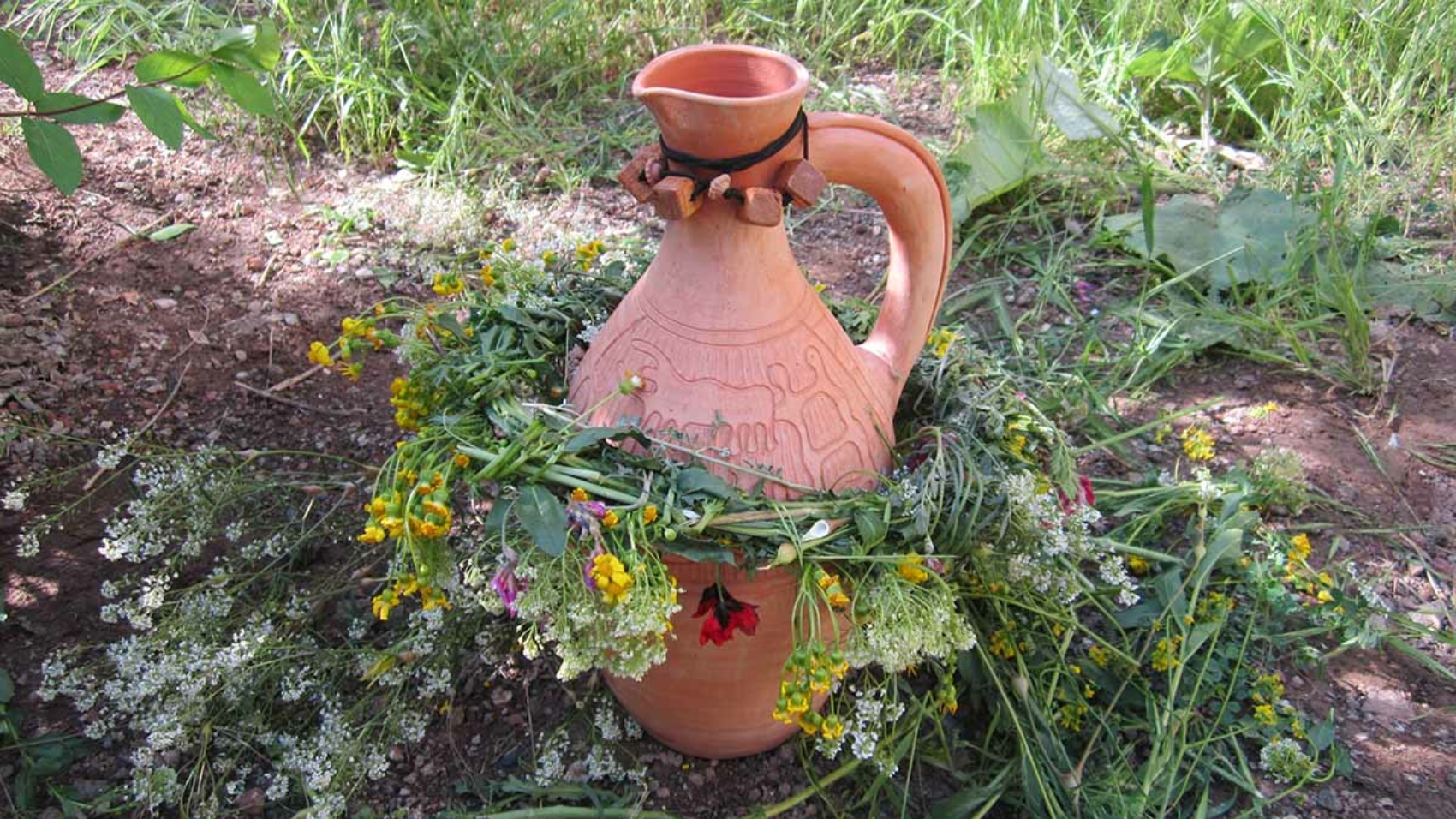
Ascension is one of the folk holidays of the pre-Christian calendar, it expresses the ideas of the dying and rising God, the awakening of nature, and rebirth. Christianity incorporated it into the official calendar as a celebration of Christ’s ascension after his resurrection. The evangelists Mark and Luke write about the ascension of Christ within the framework of the Christian tabernacle holidays, there is also a reference in the Acts of the Apostles. Many folk rites, ceremonies and original samples of song art have been preserved in the folk festival of Christian Ascension.

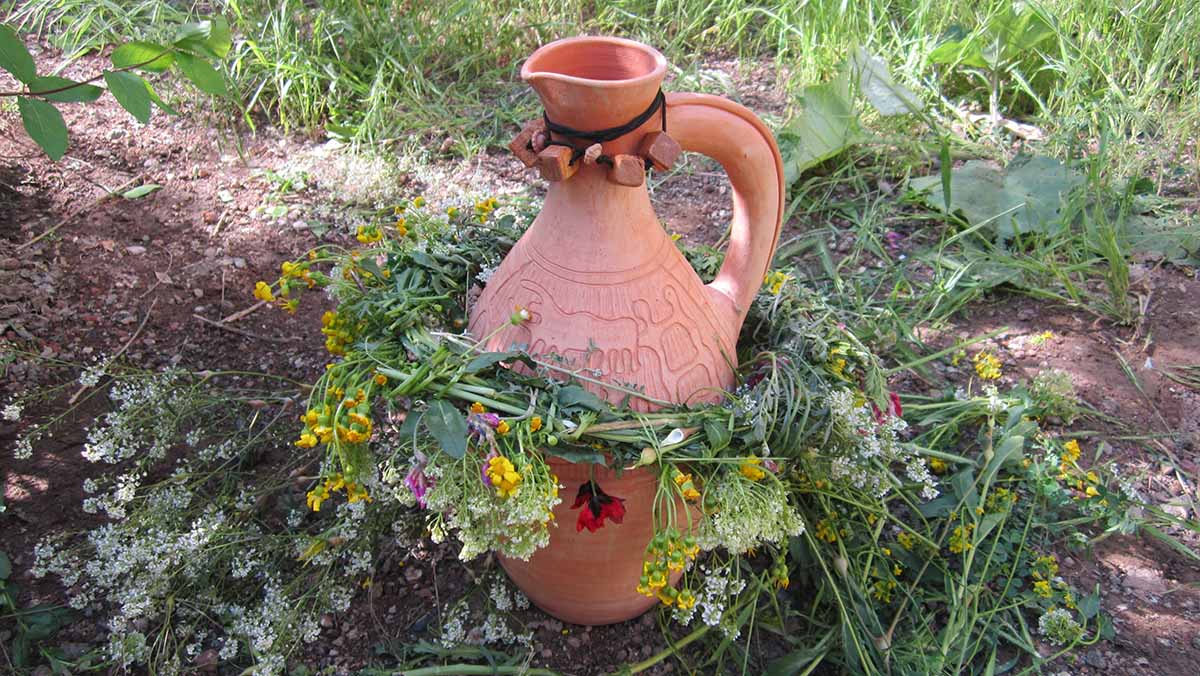
The festival of Ascension/Condition gave a great charge to both folk and professional works, manifested itself in fiction, poetry and prose, even in opera and fine arts. Thousands of samples of special folk songs of Ascension have been recorded and published, in which the ideas of love, human relationships, eternal unity of man with nature and the universe are reflected. They continue to be created even today. The main performers of Ascension Day are again mostly young people everywhere, ritual flower gatherings and water gatherings, donations of bouquets and wreaths, youth night gatherings, special songs/quatrains arising from the nature of the holiday, ritual public raffles, young boys and girls gather 7 colored flowers, in a pitcher pour water from 7 springs, throw their signs into the water and put a “star” on the night of the Ascension, that is, hand them over to the council of stars, in the morning, decorated with flowers, sing around the neighborhoods of the settlements, give flowers, then in the presence of the audience, with soloists and group songs with a special solemnity, individual making fortune-telling and public well-wishes. The songs are dialectal, which not only preserves but also develops the language culture. The social significance of the holiday is the periodic reaffirmation and reproduction of important social values, as well as the continuity and inheritance of the culture connecting the past to the present. The festival not only repeats the traditional, but also creates an emotional environment for the birth of new folk works. By its very nature, the festival is a phenomenon that strengthens intra-social ties, reveals the creative potential of the public, preserves the inseparable connection between society and the natural environment, develops and refines aesthetic perceptions.

Dilijan 2 (1)

Call for International Crafts Festival in Dilijan, Armenia

Dilijan 2 (1)

The Ministry of Education, Science, Culture and Sport of the Republic of Armenia and Hovhannes Sharambeyan Museum of Folk Arts organize the International Crafts Festival, which is scheduled to be held in Dilijan, Armenia from September 30 to October 1, 2023, dedicated to the 20th anniversary of the UNESCO Convention.

Masters of folk art from different countries of the world are invited to participate in the festival, present their works in Dilijan and conduct master classes. On September 30 and on October 1 Dilijan will become a center of crafts, national songs and dances, fairy tales, folk tales, delicious dishes, and unforgettable impressions. In the pavilions located in several zones, local residents and tourists will be able to be acquainted with the rich variety of national crafts of Armenia and the invited countries and take part in master classes.

Organizers cover the travel expenses, the costs of accommodation, food, pavilion rental, and internal transfer for 10 invited participants from different countries.
Due to geographical and financial factors, priority is given to masters from the following countries: the Islamic Republic of Iran, Georgia, Greece, Cyprus, Bulgaria, Romania, Serbia, Latvia, Lithuania, and Estonia.

The purpose of the festival is the foundation of new platforms for establishing creative connections between interested structures and organizations, communities, as well as individuals to exchange experience, and to form an intercultural dialogue within the framework of safeguarding the intangible cultural heritage.
The contact person for the International Crafts Festival is the director of the Hovhannes Sharambeyan Museum of Folk Arts-Lusine Toroyan (tel. +374 91 721 207, e-mail –[email protected], [email protected]).

ՀՈԴՎԱԾՆԵՐԻ ՆԿԱՐ

“Easter, Holy Resurrection Day, Holy Easter”

ՀՈԴՎԱԾՆԵՐԻ ՆԿԱՐ

Folk and church holiday
It is distributed in all 10 regions of the Republic of Armenia and the capital Yerevan.
Easter is a movable holiday and is celebrated on the spring equinox, the Sunday following the full moon following March 22, that is, the Sunday that falls within 35 days after March 22.

In traditional culture, Easter was perceived as the spring “resurrection” of nature following the “death” of winter, a holiday symbolizing the annual beginning of life and the confirmation of the continuity of life. The Christian calendar adapted the holiday of the Resurrection of Christ to that holiday of the resurrection of nature. The festival is a folk and Christian official Resurrection holiday, a set of folk and church rites and ceremonies.

All the days of the week before Easter were festive, and Saturday was symbolized by the Armenian folklore “red-green” formula of renewed life: “Easter Saturday, red egg, sun, mountains and valleys are green.”
The “Red Egg”, a red-dyed egg, is a symbol of the popular and Christian official council of the holiday, the resurrection after death, and is widely included in folk rituals. The Easter festival by its very nature corresponded to the meaning of the resurrection of nature, including human life. The earth had woken up at the height of its vitality, and the oxen with red painted hooves were taken by men to the field to “turn over the soil, which had become cloddy (impregnated) from living with the snow.” The Armenian theologian of the 14th century Saint Grigor Tatevatsi says about dyeing the egg red. “We paint eggs only on Easter, because the egg is the model of the world and as the wise say, “the outer shell is like the sky, the shell is like the air and the protein is like the water. Yellow is the earth” and the red color symbolizes that the world was bought with the blood of Christ. Taking the red egg in our hands, we declare our “salvation”. This very important confirmation proves that in the 14th century, the Armenians perceived the country not as a separate entity, but as part of the “world”, cosmic unity, and the Armenian culture as a part of the general earthly culture.

All Easter rites and ceremonies were communal; the sacrifices were aimed at the general well-being of the community, and were performed with the help and participation of all members of the community. The biggest share of songs and wishes was certainly about rain, wheat, and bread. Easter parties were usually in the fields, in large groups, and were accompanied by egg games, sports matches, group singing and dancing. The universal joyful participation and emotionality gave birth to new folk song-musical gems; new aesthetic forms of egg patterning and decoration were invented (H. Kharatyan-Arakelyan, Armenian folk holidays, Yerevan, 2005, p. 135-159).

After the collapse of the USSR, the Easter festival was significantly revived and activated. Currently, it is viable and celebrated mainly in families, but in some regions it continues with family and community pilgrimages. Easter now has stable components of a holiday dish: hard-boiled red eggs, fish, pilaf, kashovi, and various fresh and fried greens, gata. New forms of egg games, painting, patterning and decorating eggs have emerged, and the business sector is also happy to respond to the demand. The number of visitors to the Easter church has increased. Certainly, many people go to participate in the Council of the Resurrection of Christ, but there are also many who take eggs to church on that day, wish to receive an egg blessing and celebrate Easter with blessed eggs. Some people also take home-sprouted wheat with them to the church for blessing. The “Atzik” sacrament is the phenomenon of communicating with the resurrection of nature by eating the first sprout of wheat, that is, the first objective evidence of resurrection. Traditional “malt” food is prepared from red sprouts of wheat specially germinated in a humid environment without letting these sprouts turn green. The phenomenon of decorating the house and apartment with Easter symbols is becoming widespread. There are local peculiarities of celebrating Easter in the regions of Armenia. A business offering of holiday ingredients, both in the form of services and products, is currently being developed. The social significance of the holiday is the development of spiritual and cultural values and aesthetic perceptions, the formation of the cultural commonality and emotionality of the society, the transfer of cultural heritage to the generations, the fusion of the best secular and religious values, the importance of family warmth, the re-establishment of the permanence of the human-surrounding social and natural environment connection.

ՀՈԴՎԱԾների համար

Making of the Armenian Gata and its Cultural Manifestations

making-of-the-armenian-gata-and-its-cultural-manifestations
Gata Pattern Stamps, Folk Arts Museum collection

A sweet cake made with oil, milk, eggs, dough with or without a crust, and oil on fasting days. Gata is made with layers of dough and has several stages of preparation. In rural communities, great importance is attached to kneading the gata dough and lighting the tonir. Not only the women of the given house, but also the neighboring women participate in them. During the preparation of gata, the circular, flat, smooth surface wooden ornament has an important function. In this way, the signs of the sun and the moon are depicted on the gata. There are various recipes of gata, which differ in the type and shape of dough and choriz: round, square, rectangular, diagonal, large, small and patterned.

Gata is a dish of the festive system, the round shape of which is related to the worship of the sun. On solemn and festive days in Armenia (baptism, wedding, funeral, etc.), they baked and continue to prepare different types of gatas to this day. Lately, Gata has gained wider use in society. It is served not only during folk and family celebrations, but has also become an everyday dish. Performing gata dance during weddings is said to bring good fortune to the family of the couple. They put a grain or a coin in a round gata and believe that in this way they contribute to the well-being and success of the family, and finding the coin brings good luck.